GARDENER, HOUSEKEEPER AND CHAUFFEUR NEEDED AND WANTED!


IMG_4706

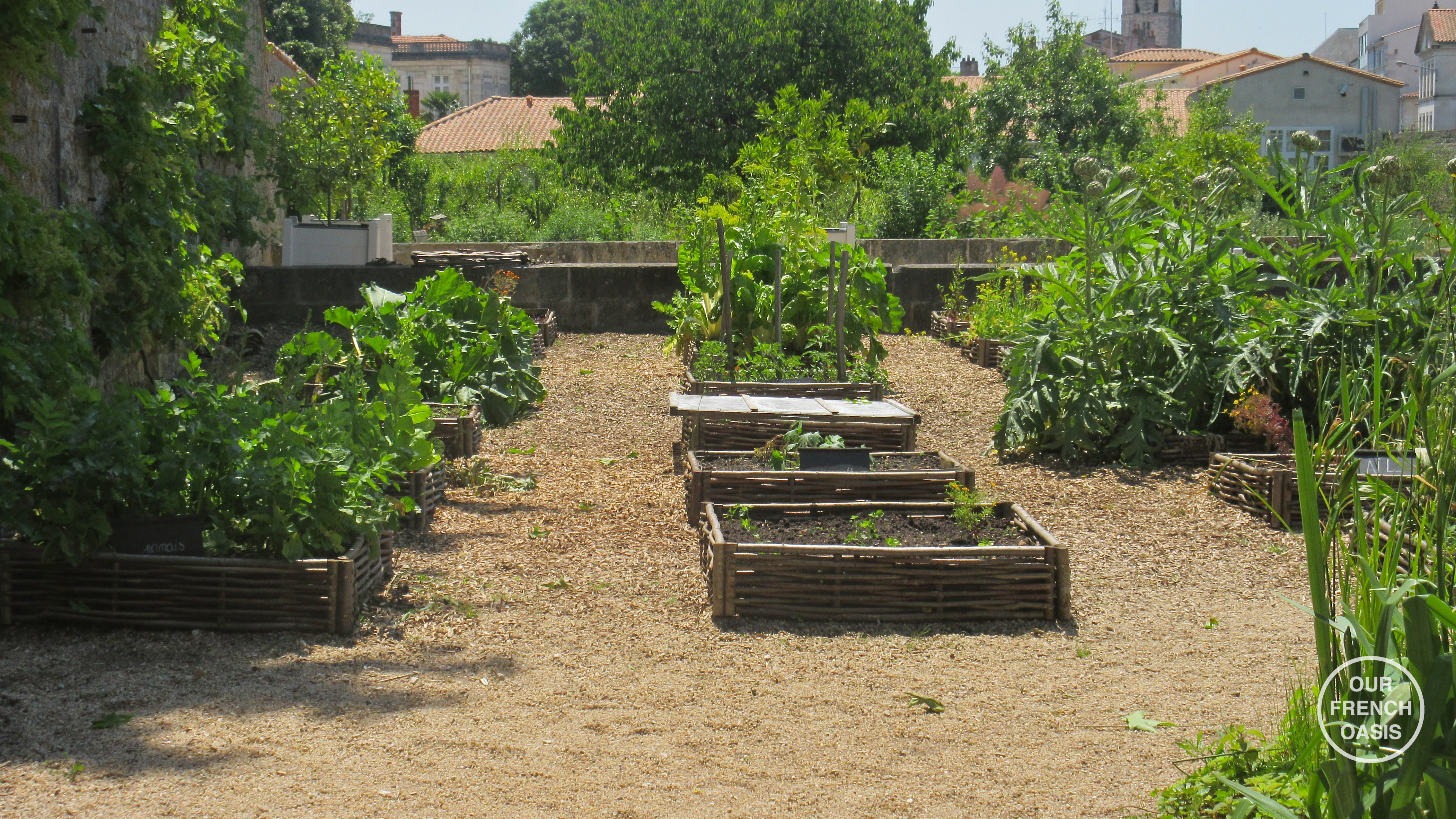
Here we are rapidly approaching the longest day of the year, and time flies by – why can’t it just slow down ? I’d like to press the pause button just for a little while whilst I catch up.  So many jobs, so much to do, and not enough hours in the day.  Last weekend was wet and grey; and while it was not much fun for us, the garden and vegetables loved it; unfortunately so did the weeds!

IMG_4562

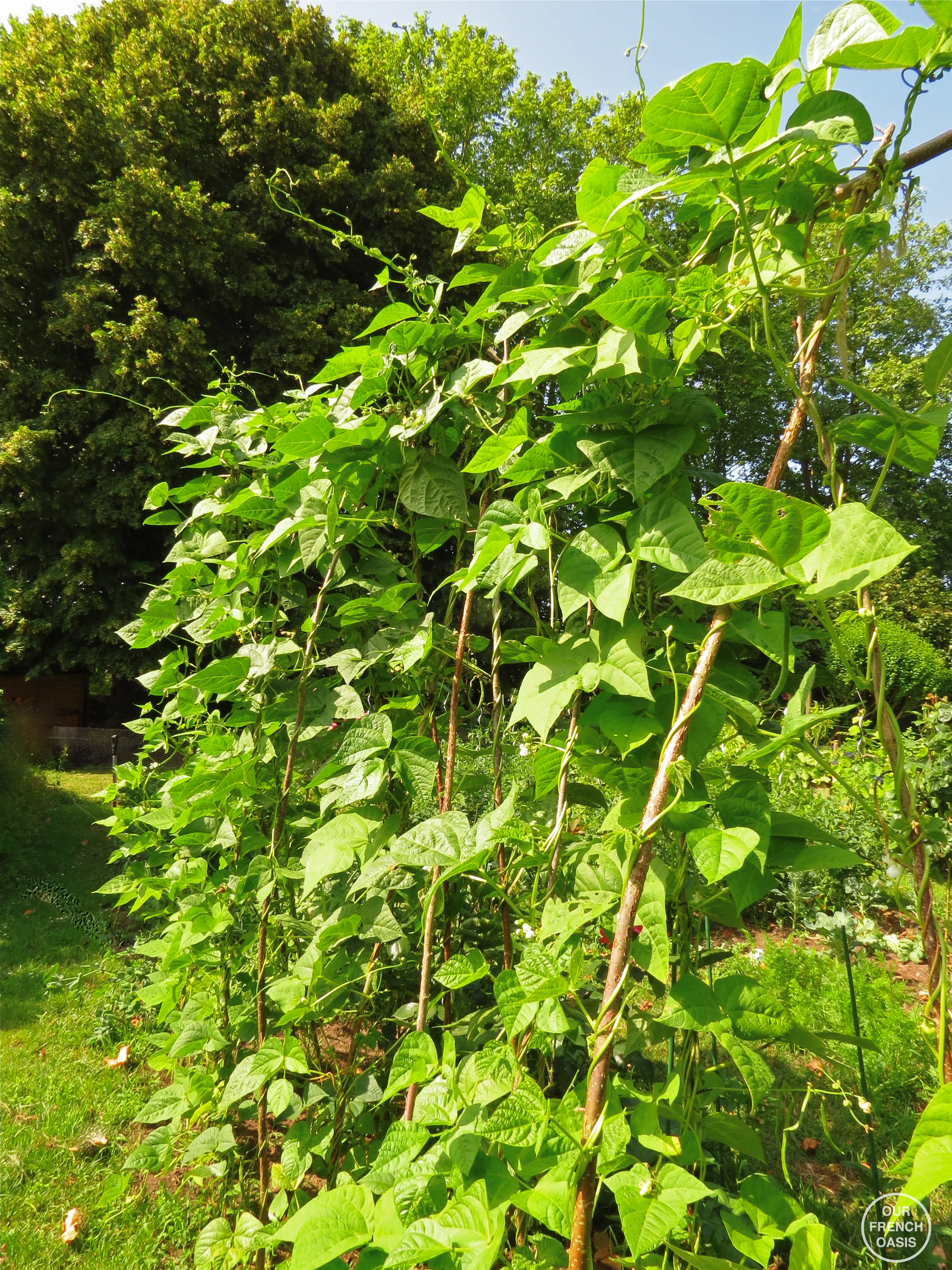
The runner beans are smothered in blackfly; if anyone has a natural organic way of getting rid of them please, please let me know. I have tried washing-up liquid and at the moment am squashing them by hand (yuk) and then hosing them off with water…. it’s a wee bit time consuming, to say the least, but I don’t want to lose the entire crop just as the beans are developing.

IMG_4551

IMG_4577

IMG_4767

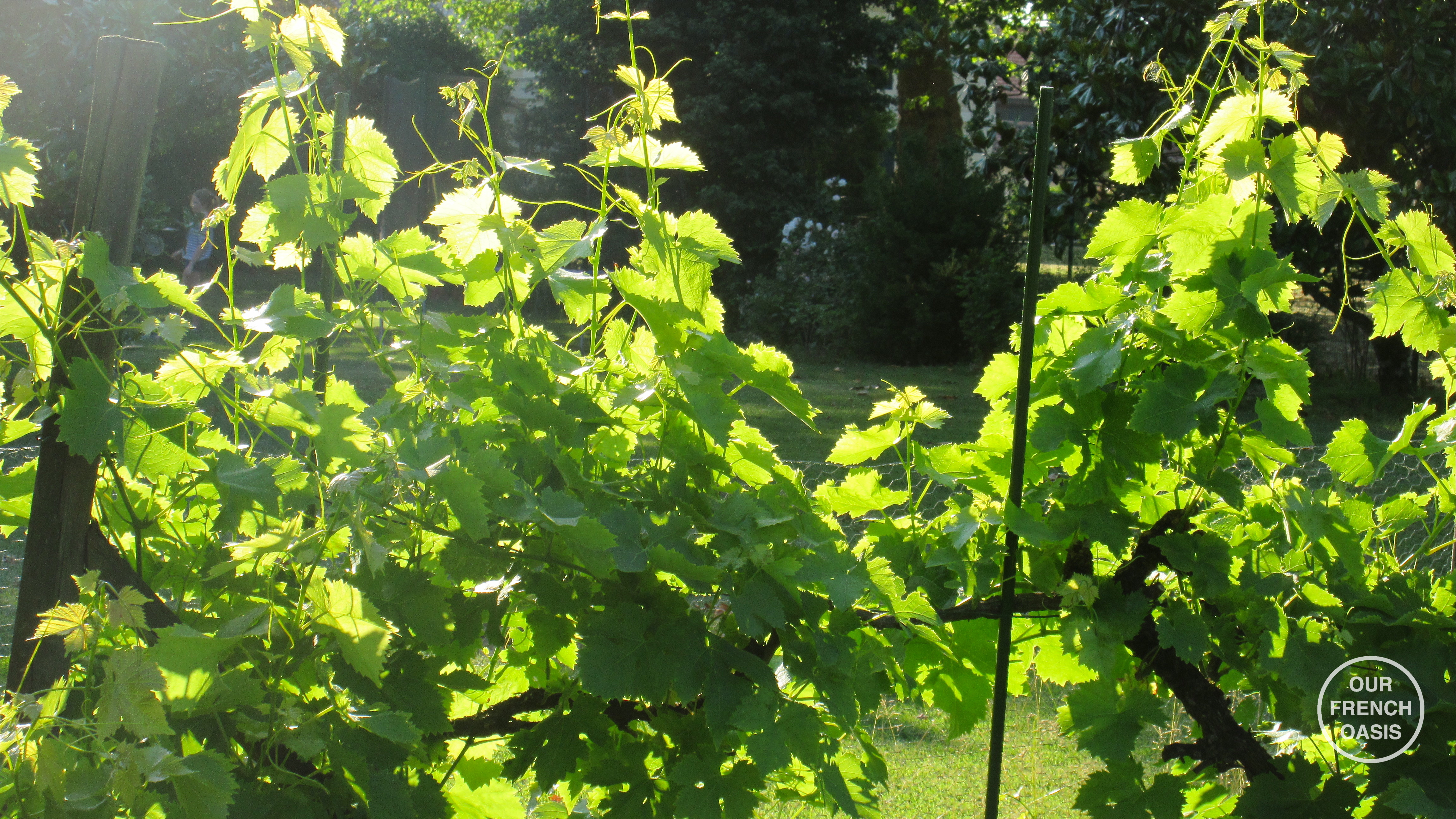
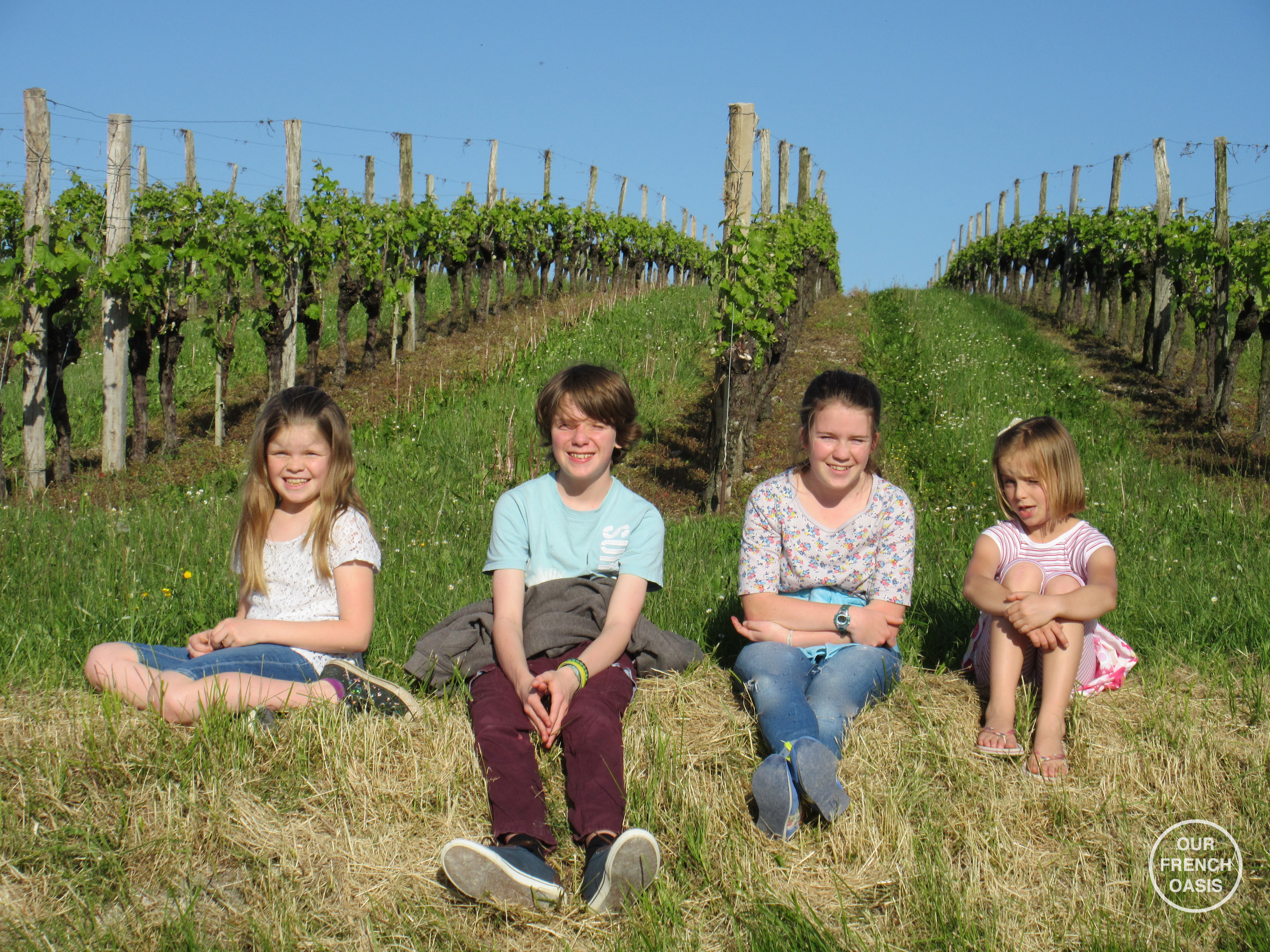
We have never had grapevines before and we have much to learn, so at the moment it’s rather a case of discovering as we go along; lots of research on Google and lots of help and advice from friends for which we are eternally grateful.  In the winter I nervously pruned them, but much to my relief they survived and are flourishing – now onto the next stage.  We were up and out early this morning, training them along new wires, trying to tame them.

IMG_4793

Even though I’m feeling a little trampled, I’m rather in love with my garden, and once the lawn is mown I think it manages to look good, weeds included.

IMG_4528

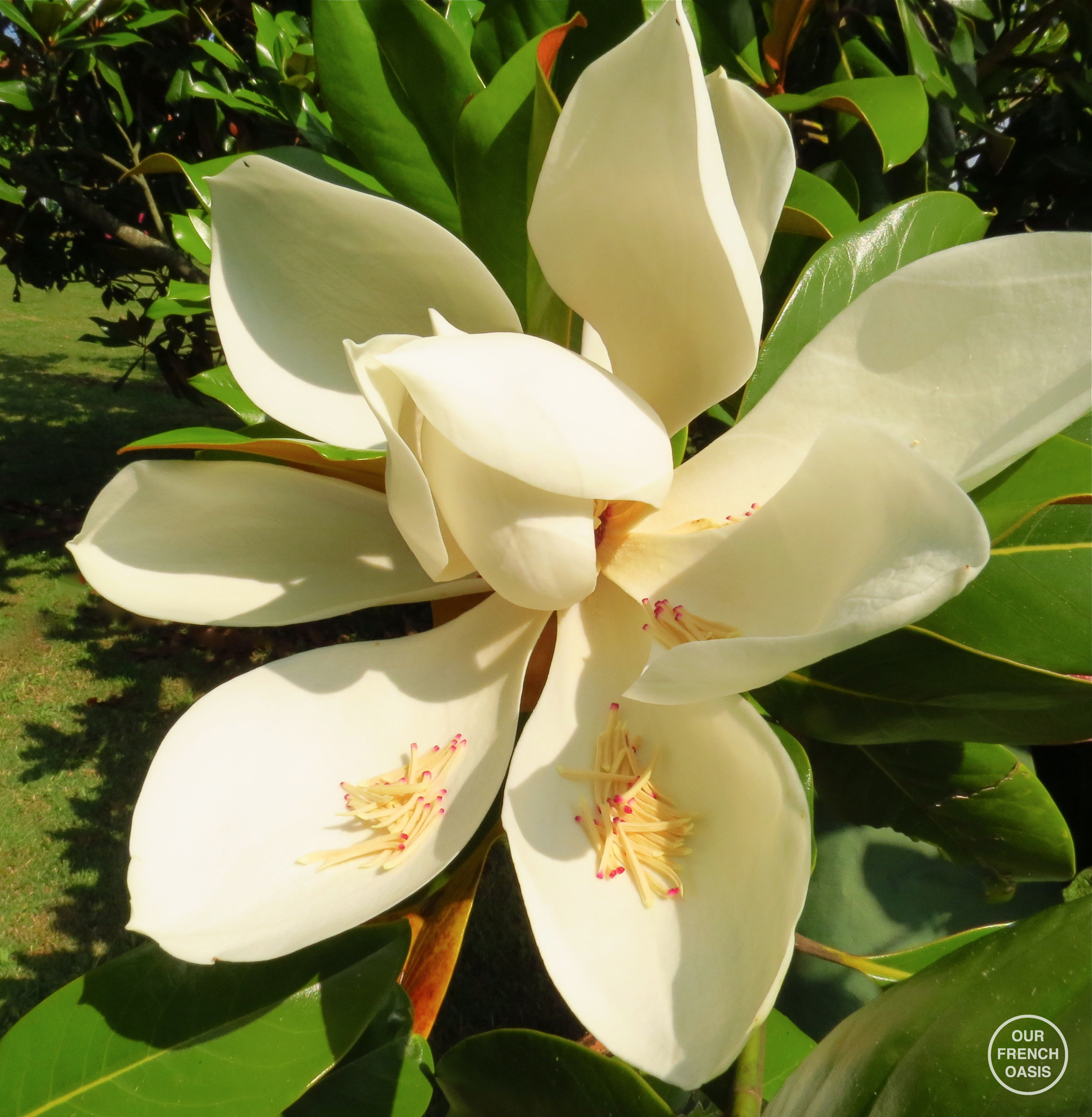
The scent from the flowering Magnolia Grandiflora is incredible and as I duck down low to mow underneath the perfume is succulent and clean; no wonder it is full of bees. I pulled the branch below downwards to take a look (and to take the photo) and was amazed to see the stamen loose, sitting in the petals like matchsticks.

IMG_4588

The mixed flowering-hedge along the drive has also come into its own,

IMG_4540

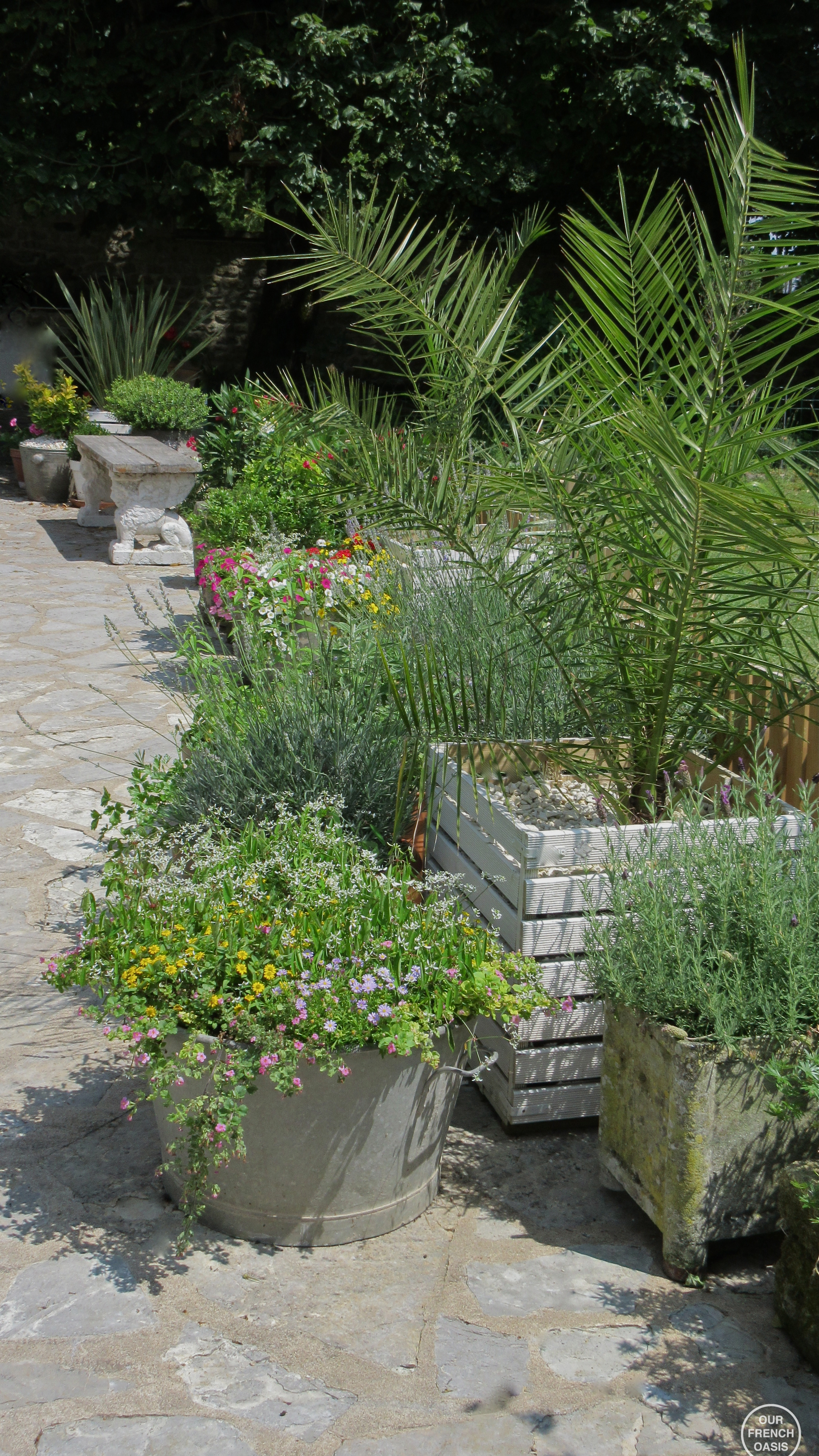
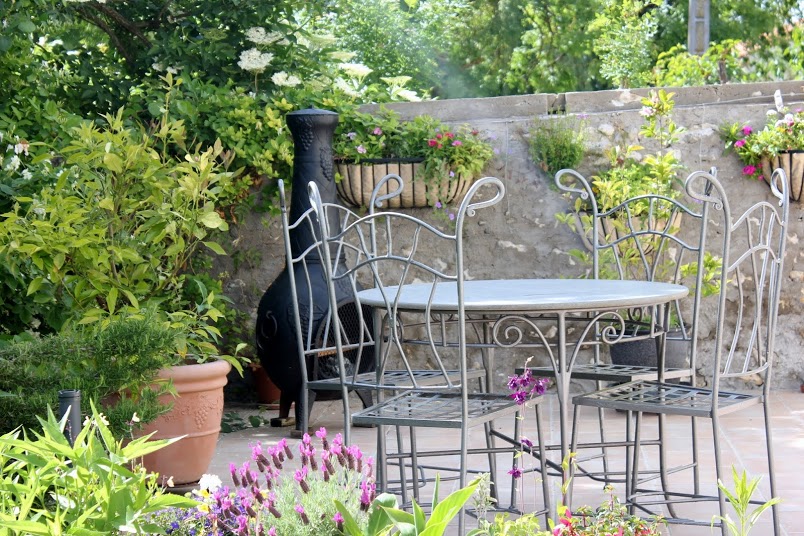
and the terrace, totally unlike the rest of the garden, is a place to linger.  It is also the one place where I strive for perfection – that means it is weed free!

IMG_4873

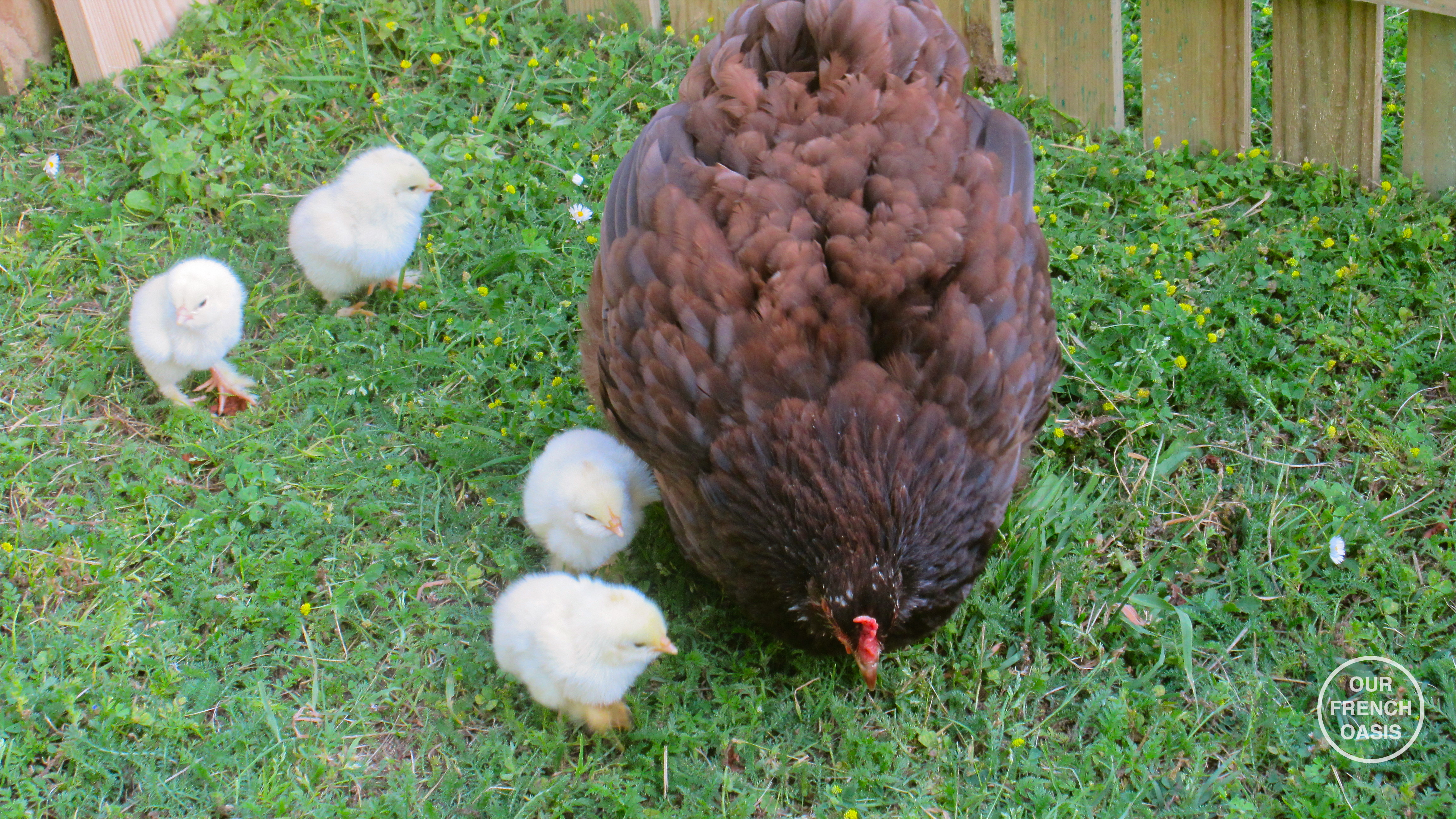
It’s not only plants that are growing at lightening speed; so are the chicks, now nearly three weeks old and they scarcely resemble those little yellow fluffy newly hatched bundles.  We are fairly sure we have two male and two female, time will tell!

IMG_4545

IMG_4546

IMG_4846

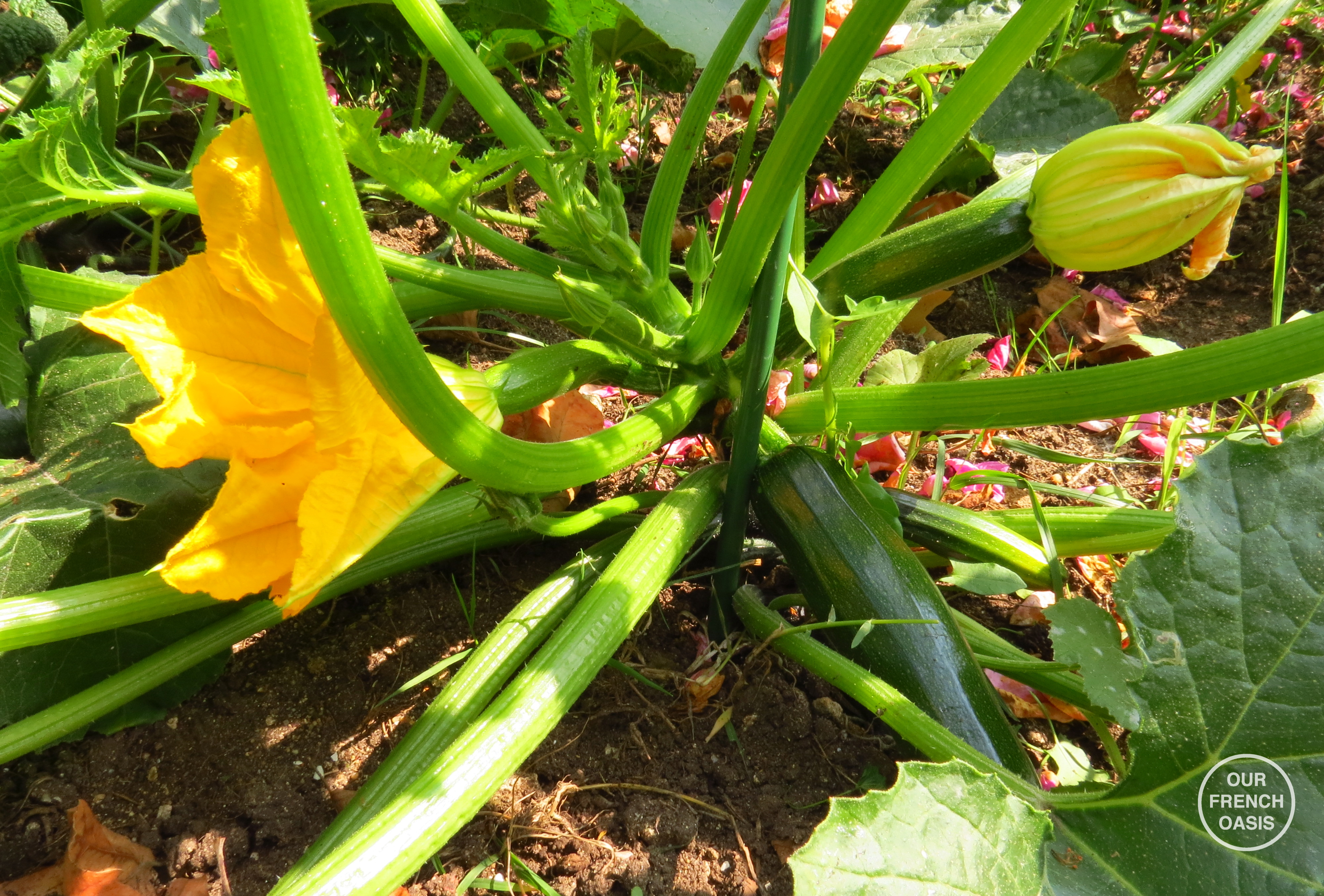
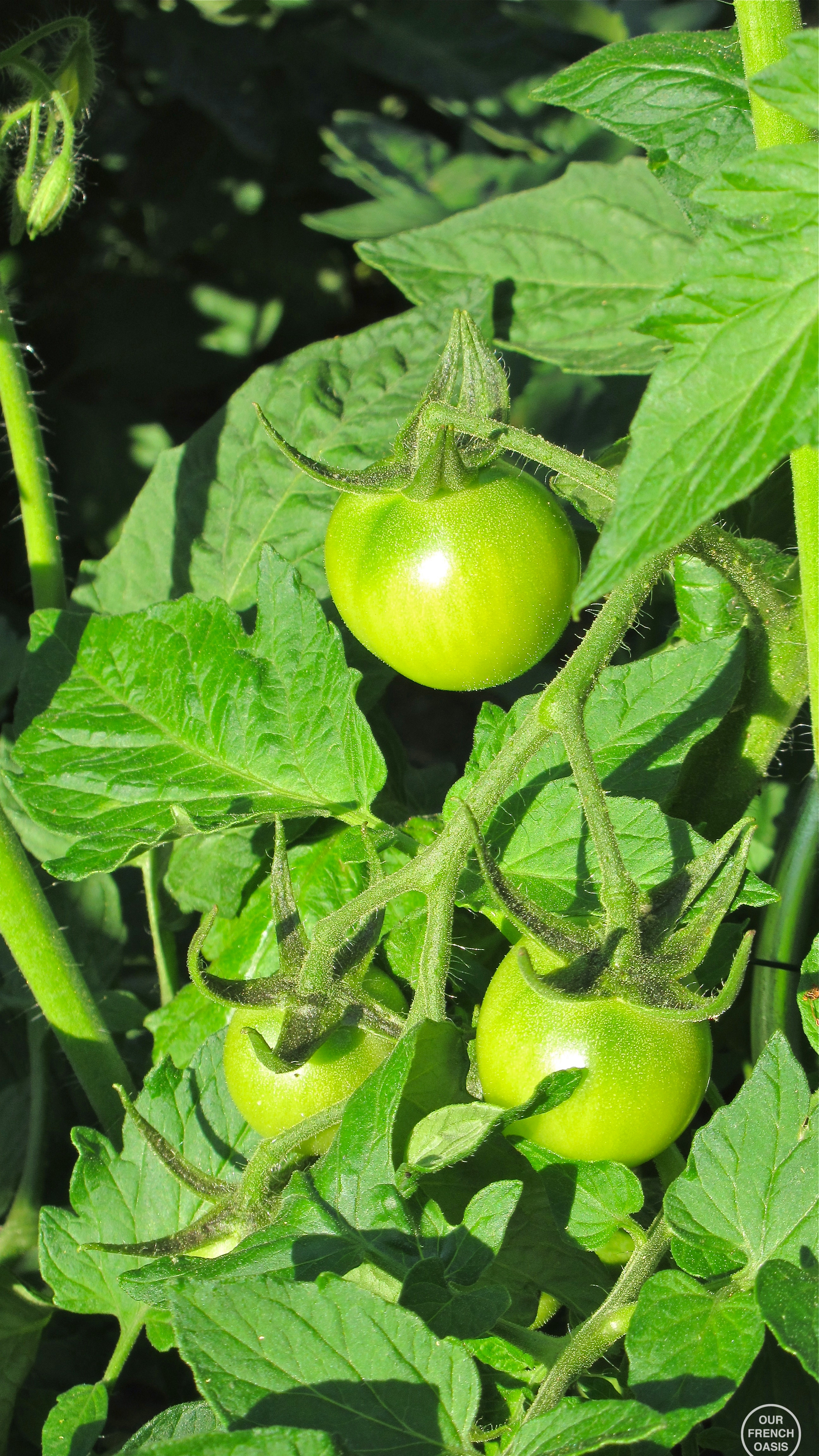
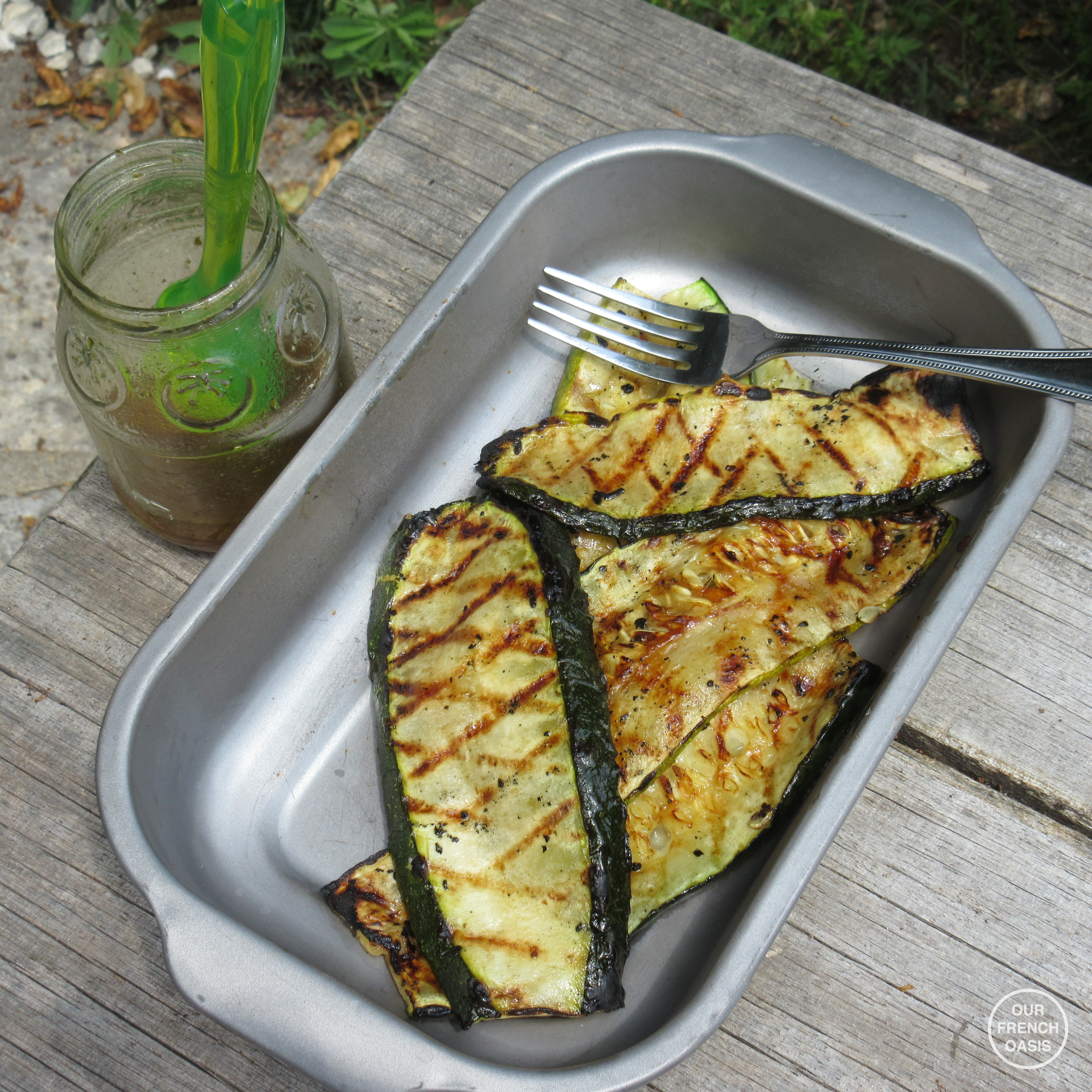
There is little, that can beat fresh food straight from the garden, especially when it is totally organic. I am immensely proud to be able to give the children a simple lunch entirely from our garden and potager, red-currants, our first cucumber, lettuce, baby carrots; whether the goodies are eaten within an hour or less of being picked, or cooked whichever way –  raw or thrown on the barbecue, everything just tastes so much better for hard work and good fortune –  it all tastes delicious, especially the eggs thanks to our laying hens.

IMG_4519


IMG_4524IMG_4888

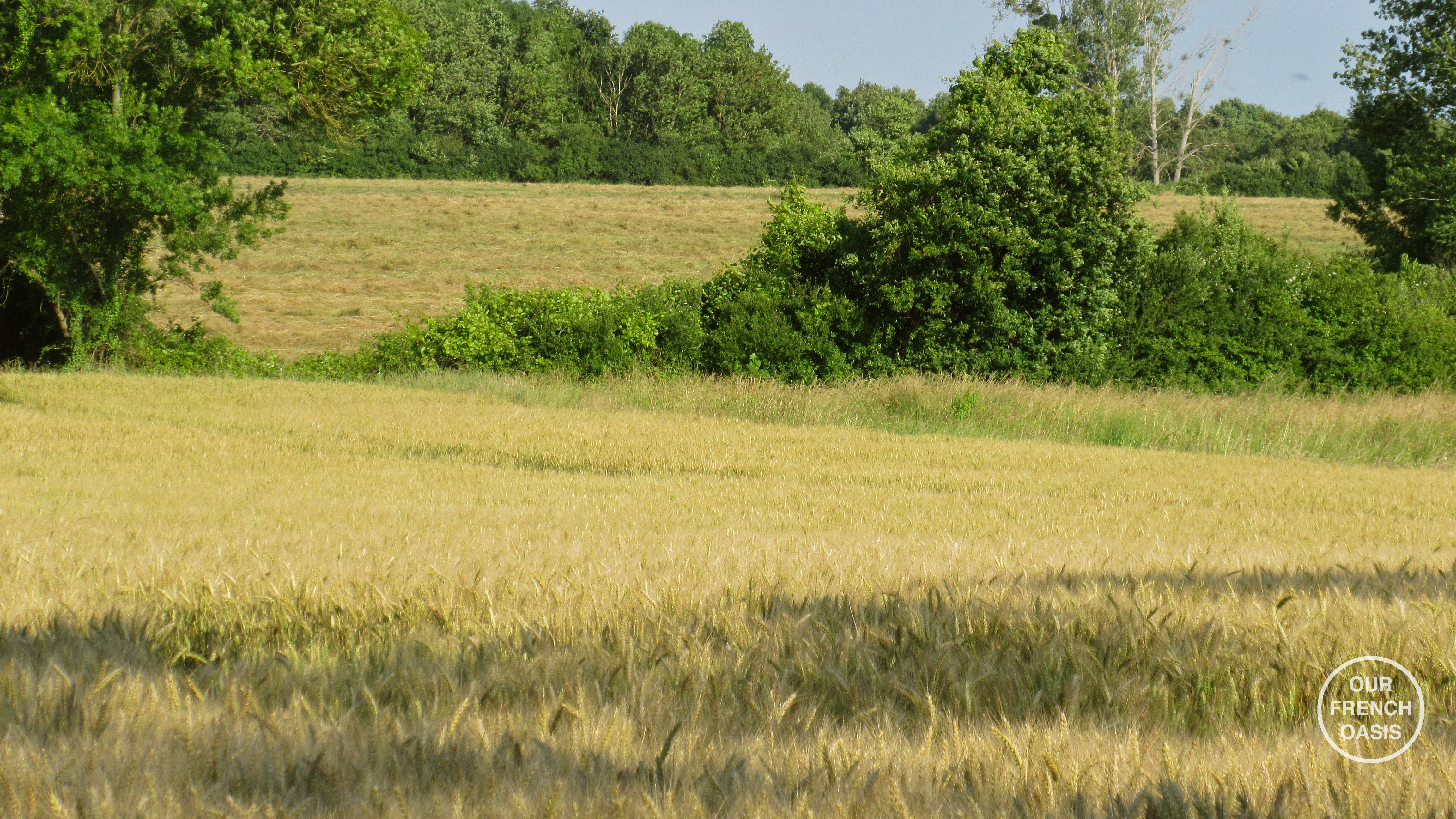
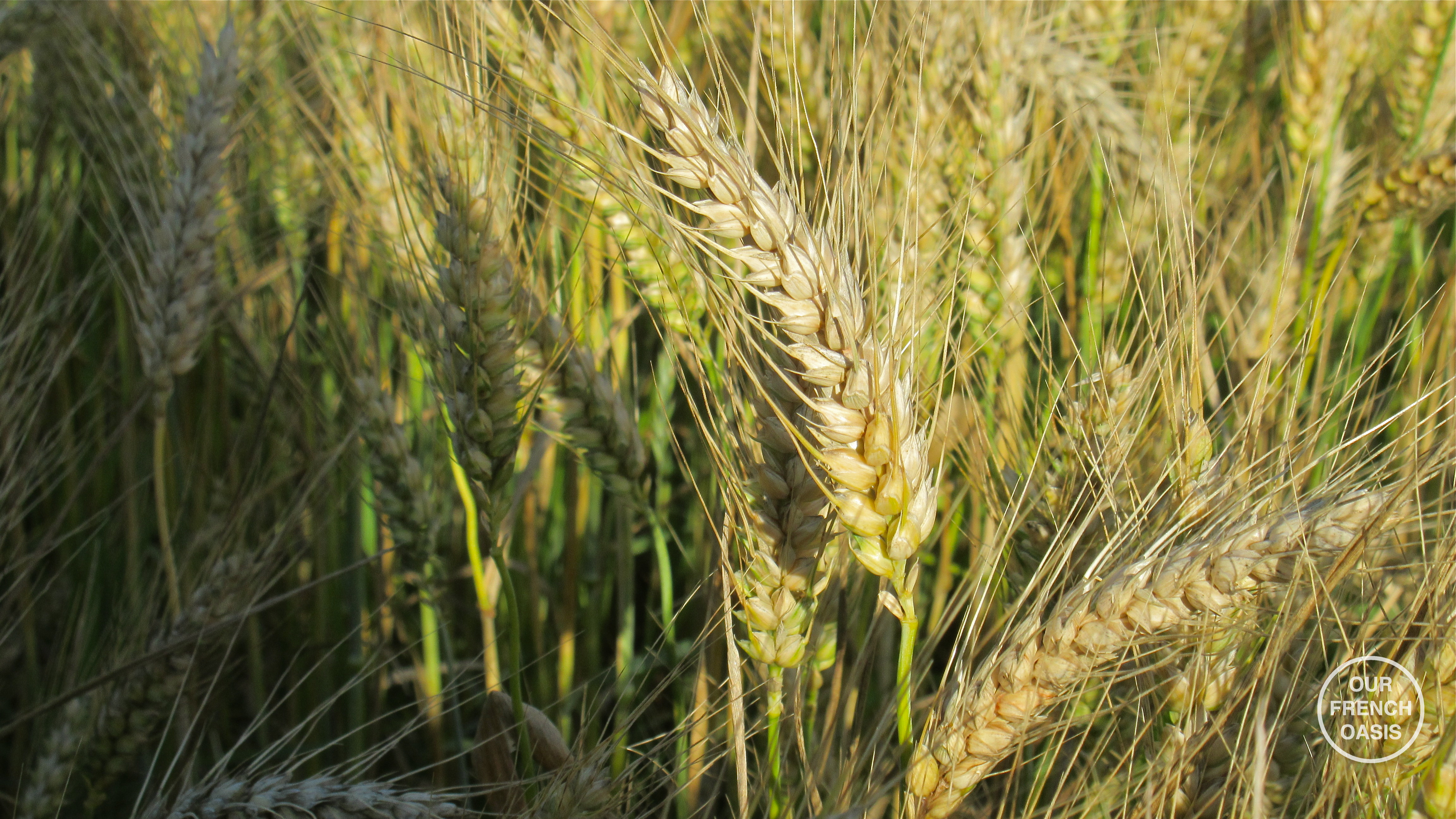
Everywhere around us now, food is being grown. Fields of barley and wheat swim uphill and down dale in the landscape….

IMG_4717

IMG_4719

IMG_4858

Maize and sunflowers – another month of Charente Maritime hot sun and they will be bursting with corn and bright yellow flowers.

IMG_4694

IMG_4679

I have decided I need a cook, a housekeeper, a gardener and a chauffeur for the children – wishful thinking!  In the meantime I am forcing myself to take a break every now and then; the guest-house can wait, and the summer kitchen (a project that has been thought of but not even started yet!) can also wait; the weeds can grow a little higher but the children won’t be at butterfly catching age forever. One has to take the time to walk with them and enjoy their company.  Every summer day is precious, and every day I realize  how lucky I am.

IMG_4686

IMG_4700

IMG_4736

RUNNING THE PERFECT CHAMBRES D’HÔTES – “MAISON MAURICE”


IMG_4474

I am always intrigued as to why people live abroad; in particular I wonder what makes them choose a special area or indeed a specific country.  If you read the newspapers it seems France is awash with British, but in fact there are more French living in the UK than there are British living in France!  Europe truly has become a giant community with every country hosting a variety of nationalities.  Nevertheless I am still always curious as to what brings people to where they are.  One couple I think of regularly in this light are Penny and Adrian Girardot.  They live in the Charente Maritime near the beautiful historic town of Pons.  It is here that they run their extremely successful and luxurious Chambres d’Hôtes, and they have made this little corner of France their home for nearly ten years.  Roddy and I spent a wonderful day this week chatting with them, strolling around their stunning garden and then lunching at one of their favourite nearby restaurants beside the river Charente in the fantastic and famous town of Cognac.

IMG_3764

A British couple, Penny and Adrian had spent several wonderful holidays in the south-west of France and loved the area.  For them the climate was perfect, benefiting especially from the micro-climate of the Charente Maritime typically means long warm summers and mild winters.  As is often a factor, the Charente Maritime is also within a day’s driving distance of most of the France/UK ferry ports and the Channel tunnel.  It also benefits from the very close proximity of both Bordeaux and La Rochelle international airports, which makes it easily accessible.  In 2004 the couple bought a near-derelict property outside Pons with plans to renovate it whilst they maintained their successful careers in the UK, and to then retire to France a few years later and run a Chambres d’Hôtes.  However, halfway through the renovations, Adrian suffered a health scare and their plans changed radically; he took early retirement and in 2008 they moved permanently to France.  The house was not finished and they learnt, as many of us have, building and finishing skills that they never thought they would have to acquire, a trait common throughout France where every Englishman seems to have more than a passing understanding of mixing concrete and roofing skills.  Still, this is a couple that never turns down a challenge and they met it head-on in their typical, upbeat style.  In the spring of 2009 they opened their doors to their first paying guests and they have never looked back since.

IMG_4296 2

4-IMG_4149

Looking around their property, Maison Maurice, it is hard to imagine that their home has not always been exactly as it is now. It is a beautiful old stone Charentaise house and barn, dating from the 1800’s; roses tumble down the walls and trees burst with fruit.  However, it wasn’t just the house that needed total renovation, the garden was for the most part non existent – there was little here apart from a couple of trees and shrubs and a vast amount of brambles and weeds.  Amongst the many jobs they undertook was the task of landscaping,  and they have achieved a result little short of a miracle.

DSCF0042-6

3-DSCN0027

IMG_4111

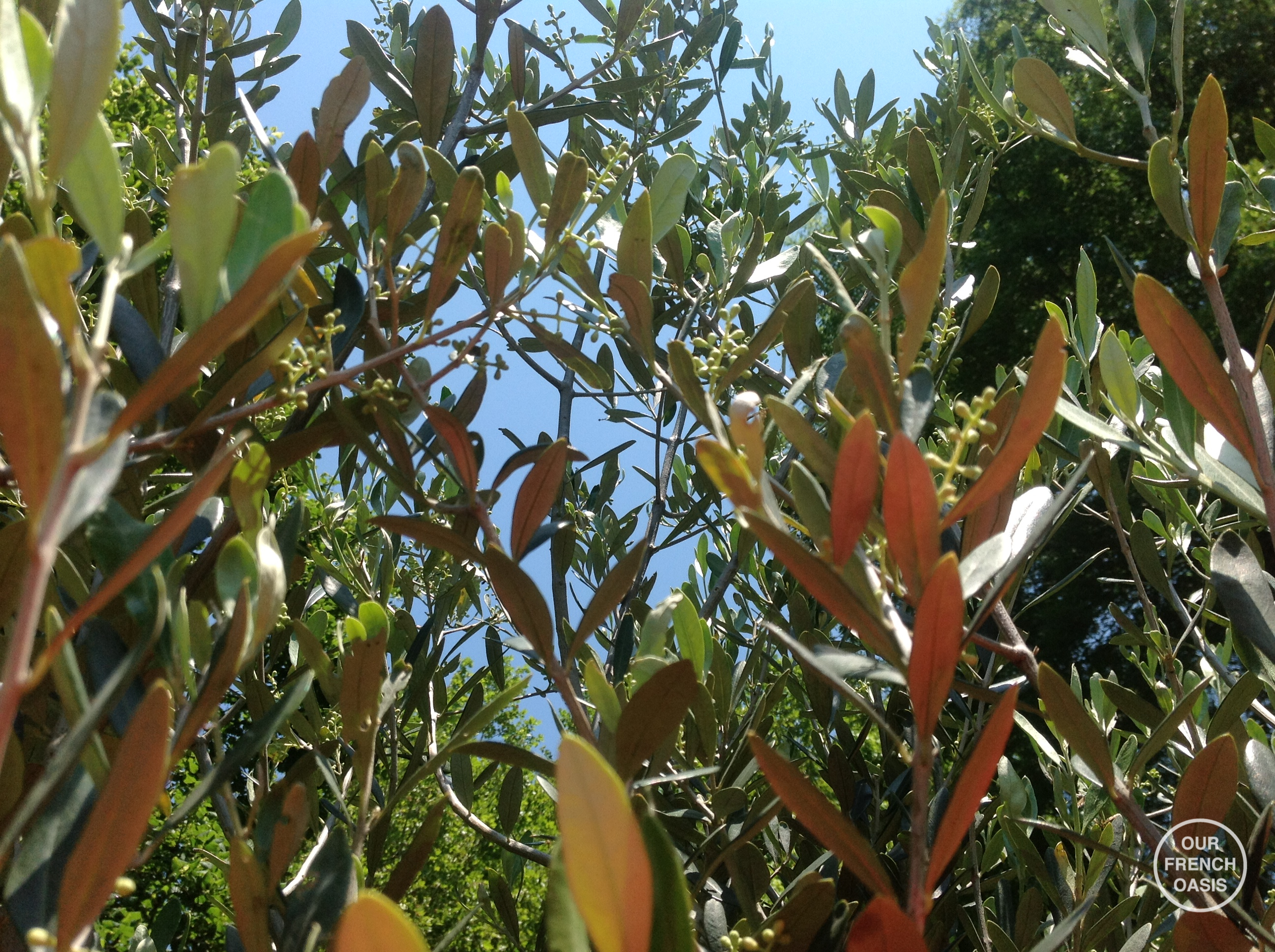
Surrounding the totally renovated and very authentic house, the garden is divided into a naturally flowing series of “rooms”.  There is the wild garden; a natural habitat for birds, insects and hedgehogs of which they have several who live in the undergrowth.  Then there is also a Mediterranean garden where grapevines and olive trees are sheltered from cold winds by old stone walls on four sides; this is the perfect place to enjoy one of the sun-loungers and wile away a few hours with a good book under the gently moving shade-sail.  It was the sort of retreat that reminded me to constantly look at my watch and make sure not to be late to collect the children from school!  There is also a small orchard and all of the ‘rooms’ surround the main garden with its herbaceous borders and a terrace where you can dine outside ; in fact the entire garden invites you to relax and enjoy it.  Penny has planted 28 different species of rose and she knows each one by name, and she is quite capable of telling you exactly which scent comes from which rose.   It is a garden free from pesticides, hence the abundance of butterflies and bees, and it is the perfect compliment to the interior of the house – both have a refined elegance but retain that air of casual comfortability that invites you to stay and linger.

IMG_4457

IMG_2924-1

IMG_3753-1

In the house there are four bedrooms, each with a luxury en-suite bathroom; and in Penny’s own words, “We would rather have slightly smaller bedrooms with top quality mattresses and bed linen, and luxurious bathrooms, as opposed to bigger rooms with cheaper fixtures and fittings.”  I totally agree with this as nothing can beat a good night’s sleep, wrapped in Egyptian cotton and tucked up in a perfect bed after a long day exploring.  Waking up and enjoying the gorgeous oversized glass shower with handmade tiles is the perfect start to the day.

IMG_3575-1

IMG_2958-1

Penny and Adrian both have backgrounds in the hospitality business, and they each enjoy meeting new people and entertaining – it is this that makes their Chambres d’Hôtes so unique and such a great experience.  While the breakfasts are leisurely and delicious, it is Penny’s evening meals that turn your stay into a true dining experience.  Sharing four courses with your hosts, while the local wine flows from Adrian’s excellent cellar, makes the experience more reminiscent of a fabulous dinner party with friends than a meal in a small hotel.  The couple have found that guests frequently become friends, and many return year after year; this is exactly how Roddy and I began our relationship with Maison Maurice in August 2014, so I can speak from both sides, both as a paying guest enjoying the perfect holiday and as a friend seeing the work behind the scenes.  The icing on the cake is that Penny and Adrian have justifiably won a clutch of prestigious awards for their little slice of Charentaise luxury, and the awards are proudly, but totally unpretentiously, displayed in the hallway !

5-IMG_4173

However, it’s not all fun and partying as a vast amount of hard work behind the scenes is needed in order to make everything tick along without a hitch.  Not least is the couple’s incredible stamina; entertaining until midnight or later, night after night in the summer months, when their guests retire to their ûber comfortable beds they then start clearing up and cleaning the dining room and kitchen.  Come the morning everything is again spick and spam with the couple ready to serve breakfast and start the whole cycle all over again.  Whilst their guests chatter over croissants and homemade jams, planning their trip for the day and which sights to see, Penny and Adrian cosset and advise, plan the evening meal, make sure the coffee flows and ensure that their guests are happy.   They each have their own special tasks; Penny is the cook, and she is also the laundry-maid and head-gardener, secretary and bookings coordinator.  They both clean, top and bottom, inside and out.  Adrian is the sommelier, waiter, maintenance-man, machinery-geezer, heavy-duty gardener and he also does all of the shopping.  To an outsider, transported to this land of figs and vineyards, the job and its lifestyle may seem like the perfect metier in a dream location, but it is also a huge amount of hard work and I have nothing but admiration for them; they don’t complain about the long hours, they love what they do and I have to say they are the perfect hosts.

IMG_4165-1

IMG_3482-1

There is no room for domestic squabbles; to take on this lifestyle in a foreign country needs a rock-solid relationship and an ability to work side by side 24 hours a day.   Another prerequisite is being able to laugh; both at one’s language mistakes and also at oneself and each other without rancor – this is another reason they are so successful as they have a fabulous ‘joie de vivre’.

Pausing for a brief rest on the tour through the below-stairs part of our journey, I wondered if there was anything they missed about home?  Replies were succinct and to the point – English pubs and pub lunches was one, because there was nothing quite like them,  and another was of course family and friends; certainly not a lot else.  In contrast there are many benefits to living in France; some of which became readily apparent as we arrived in Cognac and lunch by the river. Some of them included the lack of traffic, the slower pace of life, and a slightly more old fashioned and elegant way of living.  And then there are the people – they have found their neighbours and the local Charentaise people utterly delightful, helpful, friendly and charming.  Adrian and Penny have made their dream a reality and they are passionate about their adopted country. “Just look around,” Adrian said, “lunch in a classic waterside setting, at a delightfully informal and yet sophisticated restaurant, bustling with locals all enjoying a normal two or three course meal in the middle of the working day.”  We had to agree, it’s one of the reasons we love France too.

IMG_4058

Maison Maurice is never officially closed.  The summer months are non-stop and extremely busy, while winter is a time for maintenance.  However,  the spring and autumn usually still mean wonderful weather and although there may be guests it is a time when Penny and Adrian get out and about to enjoy their surroundings with day-trips to local places, and the odd night away here and there.  This is the time to relax a little and spend time with friends.  Despite their hard work there really does need to be some time for themselves to be able to enjoy France too.  Running a Chambers d’Hôtes is certainly not the life for everyone, but for Penny and Adrian it is like a worthwhile passage on their own restored boat in a choppy but oftentimes beautiful sea; it suits them perfectly and I can’t quite imagine them anywhere else.

6-IMG_4044


IMG_3717

For anyone wanting to know more about Maison Maurice or planning a visit, (and, trust me, it really is worth a little detour to spend at least one night, if not several) then you can find their website by clicking here.  I know you will not be disappointed, it’s a very special place and I am so glad we found it, and found such true friends in Penny and Adrian.

LOCAL ARTISANS – THE PAYSAGISTE

IMG_3930

Michel Libouban left school at 15, and decided then that a life on the open sea was for him. Never one for classes despite good marks, he was keen to get out and do something for himself from an early age. However, after one trip on the high seas he realized his mistake and took up a station in a commercial bakery, instead. After six months or so of repetitive work on what was basically an assembly line, he then realized that his love for nature may provide an answer, and so he signed on as an apprentice ‘paysagiste” – someone qualified as a horticulturist who plies their trade as a gardener and garden designer – a very honest metier in France. Years passed, and as he qualified through a long 10-year period of study he met his wife at college, and settled down in a small village close to his parents, both doctors in the seaside town of Royan.
IMG_4429

The rest of this blog today should of course now be about his life in the fields and gardens of his countryside, and how at the age of 45 he is now at the peak of his career, caring for the plants and flowers of the rich and famous. But something is amiss, and Michel finds himself at a crossroads in his life as a result of many converging differences. It makes me wonder whether this is happening right across France, or perhaps across Europe, and perhaps overseas.  But first, we need a little recap.

Anyone who is visiting France and loves gardening will try and include a visit to the formal gardens of Versailles. If you have never been to Versailles but have even the merest passing fancy in a rose, you should make this trip. The gardens at Versailles were designed by André Le Nôtre and are proof that French gardens reached their clearest expression in the 17th and 18th centuries under Louis XIV and Louis XV. It was at this time that gardens provided a symbol of status, and their importance to lifestyle and culture at this time cannot be overestimated. The traditional French garden tends to have a strong symmetrical axis and is very structured which is in contrast to the English garden which reached its height with the Romantic movement in the 1790’s and early 1800’s. English gardens of this era highlighted the variety of nature and its capacity to inspire the imagination; they usually included ponds or a lake, rolling lawns doted with animals, large trees and spaces of natural fantasy rather than geometric constructions of nature. Ironically by the late 18th century the trend of the English garden had spread, and famously, even Marie Antoinette had a small English garden created at Versailles, where she would dress in simple muslin garments and milk cows.

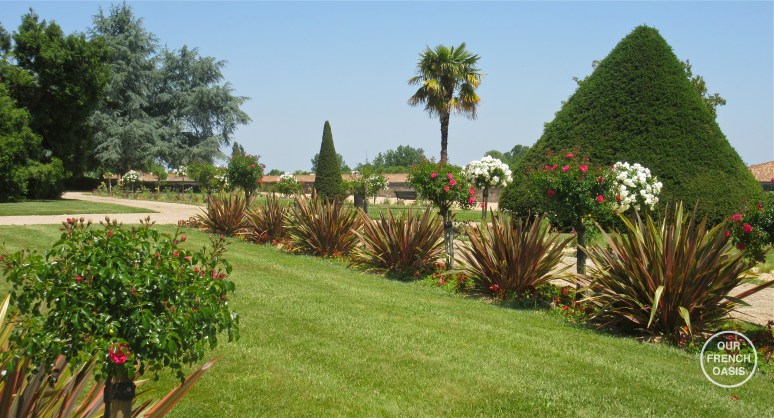
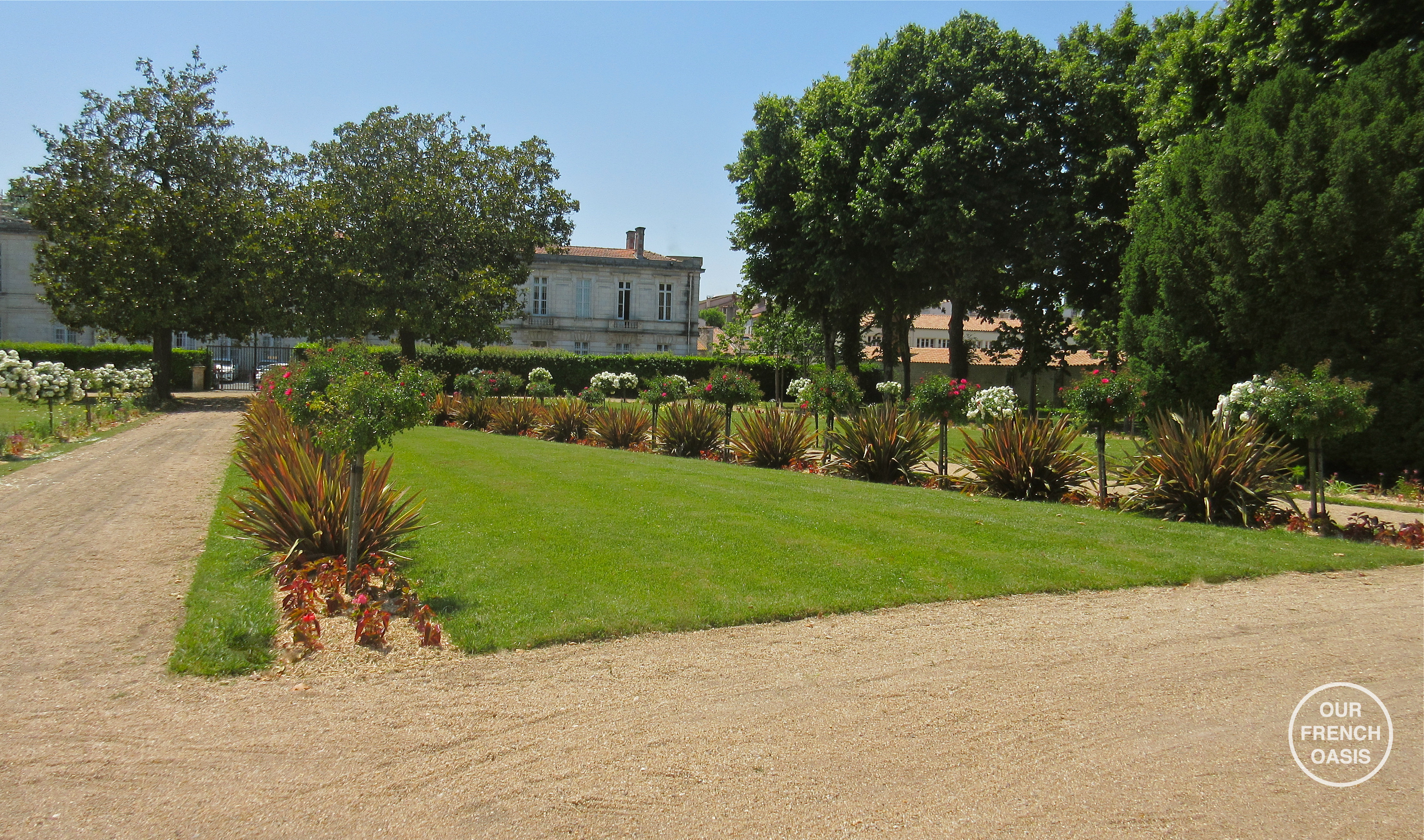
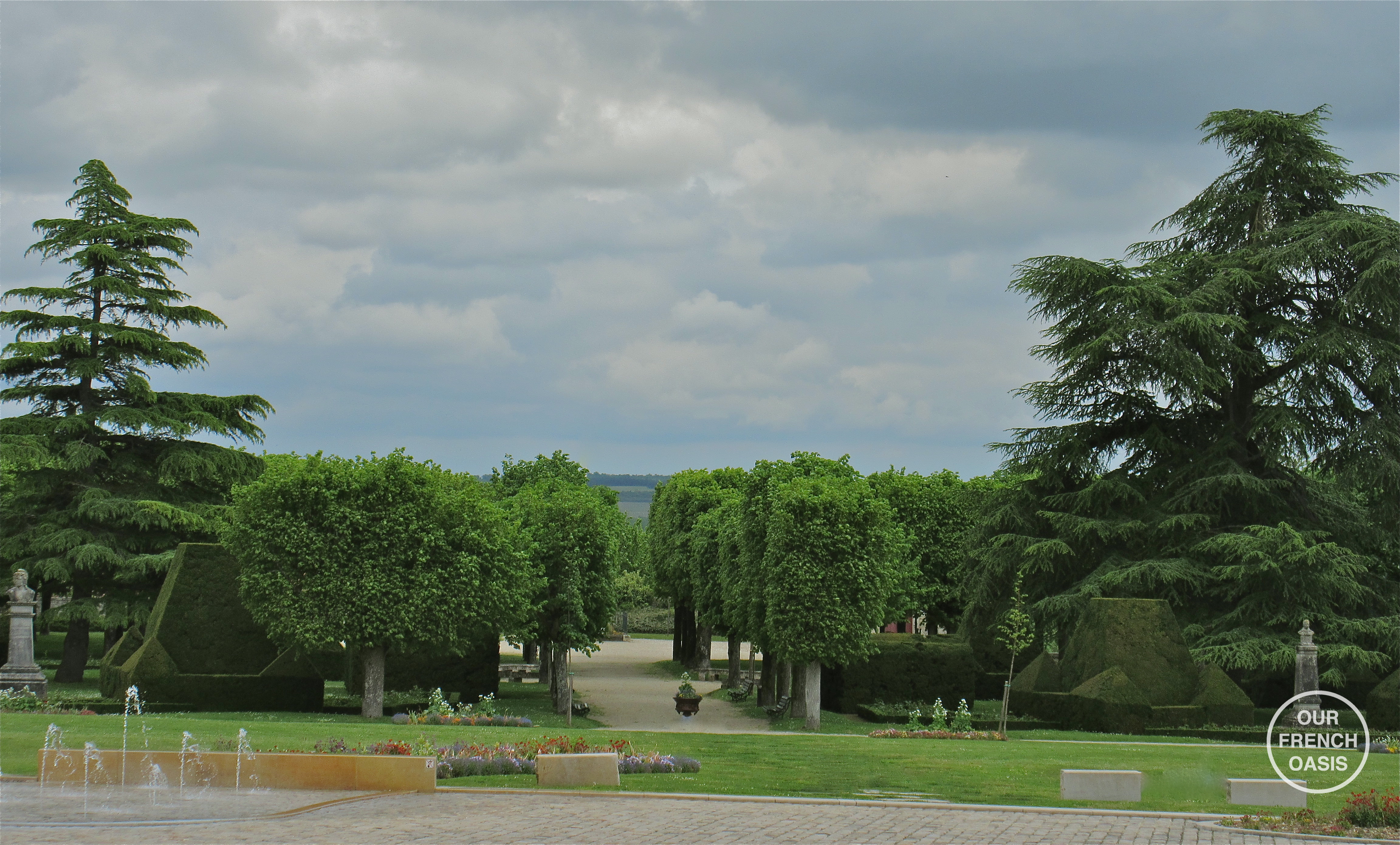
Versailles is a little out of reach for a day trip and some photos for you all, but we have Rochefort, ten minutes to the north of us, which is of course a town developed by the same Louis XIV, and it too has gardens and public spaces that amply reflect the thoughts of those gardeners from the era – it’s fascinating to see the formality of layout and planting which has continued up until today.

7

5

3

6

As a result of these entrenched traditions, the paysagiste is regarded as a true artisan in France and French gardens are for the most part still considered to be a symbol of pure art. French gardeners tend to have a far more formal approach to gardening than the English or Americans, and French gardens are much copied and aspired to around the world, especially two of its main parameters -the parterre and the formal potager.

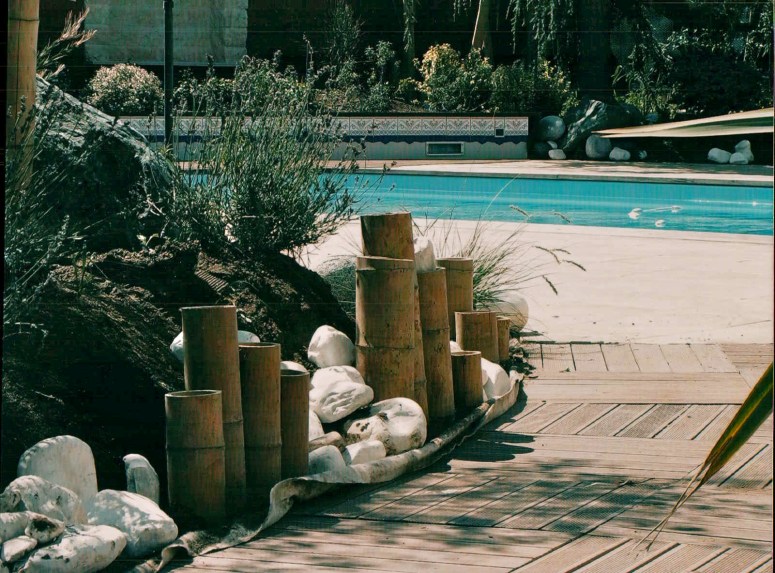
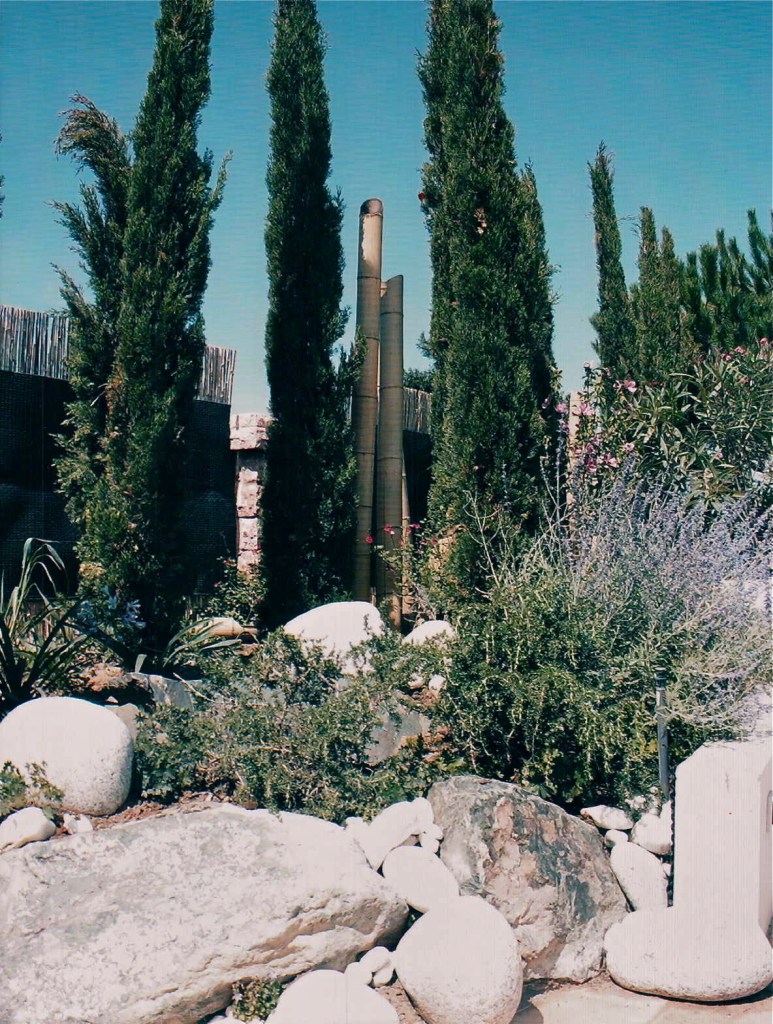
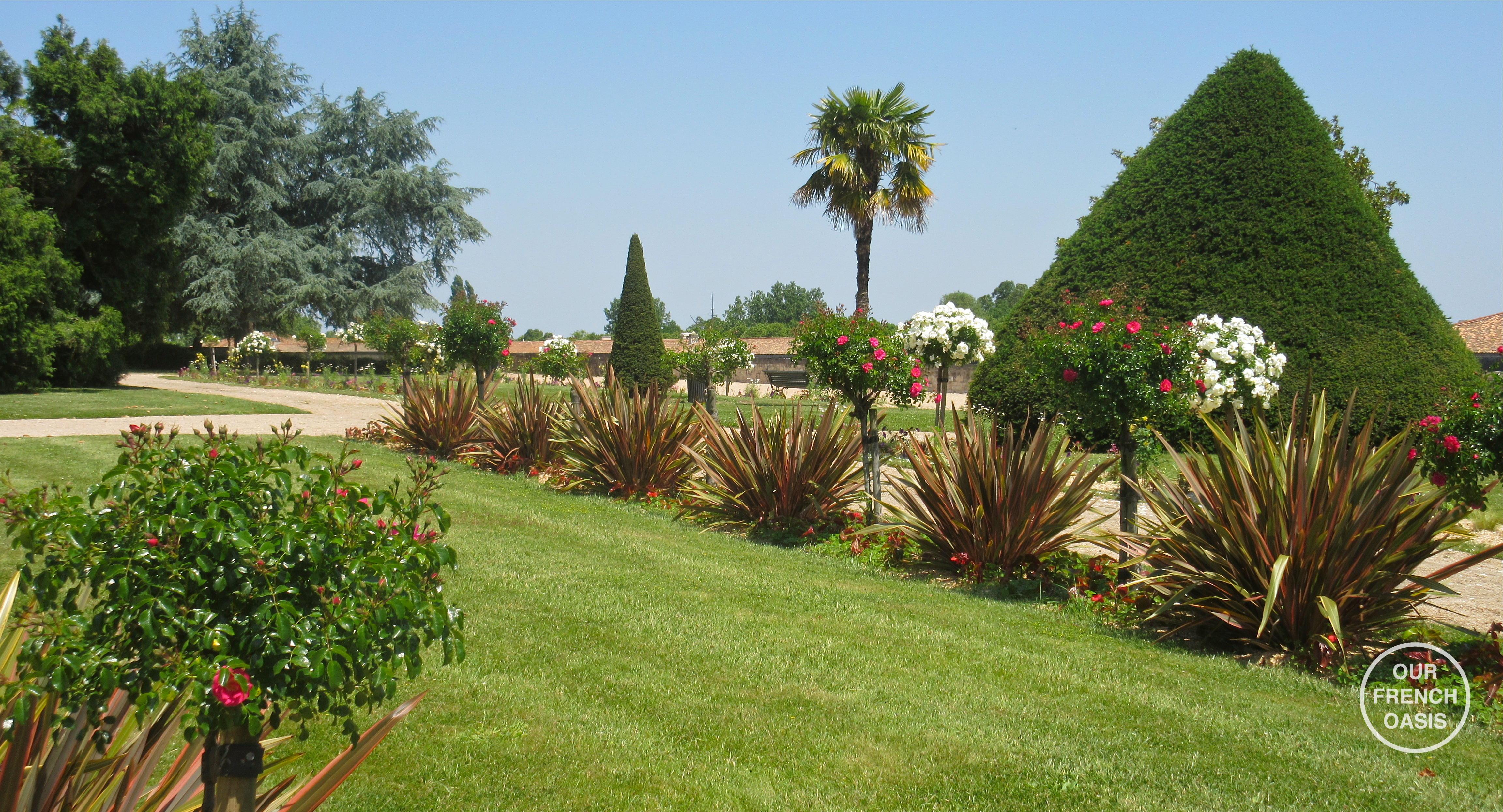
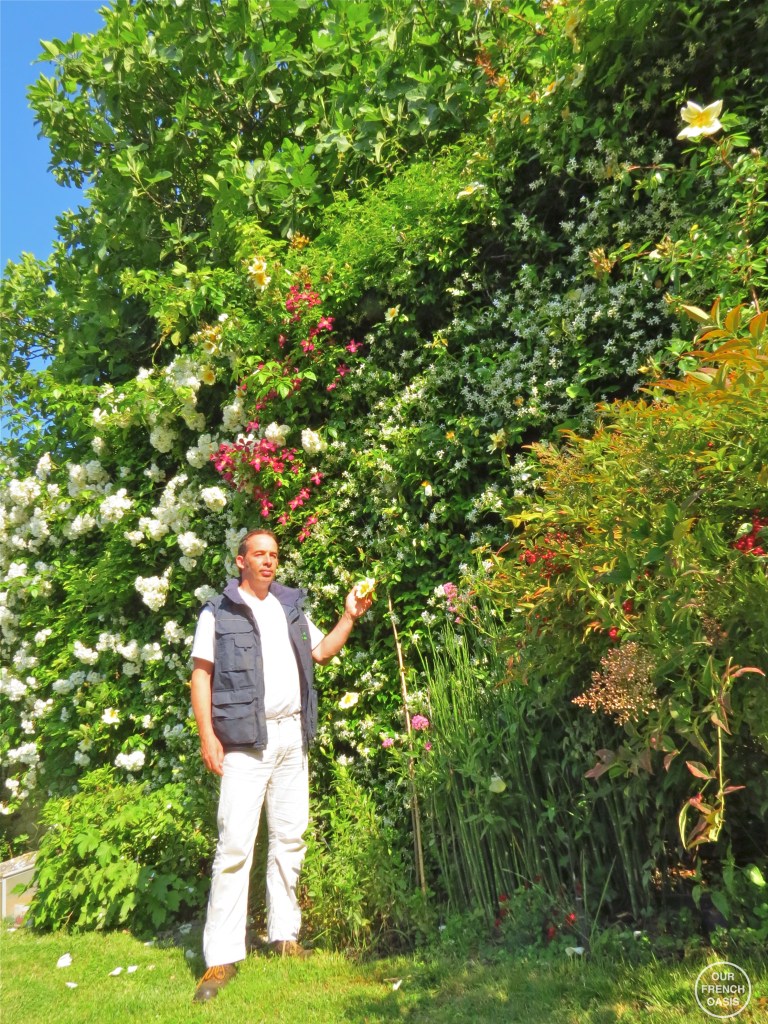
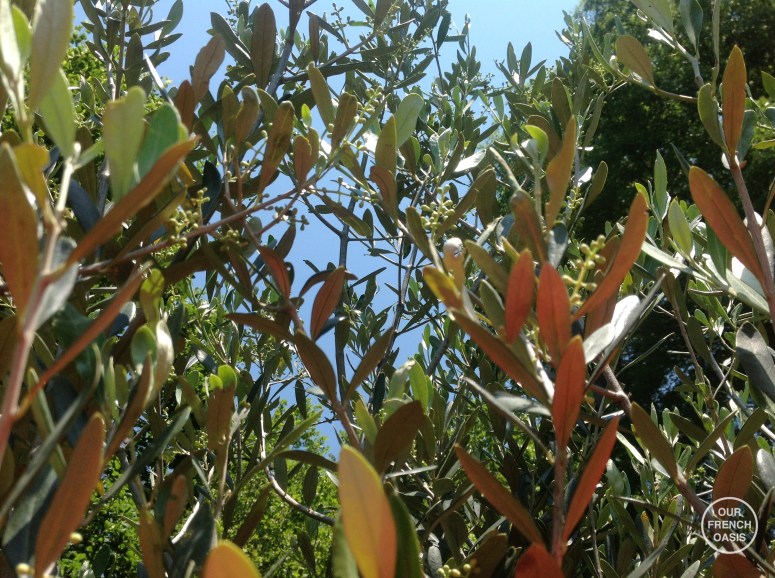
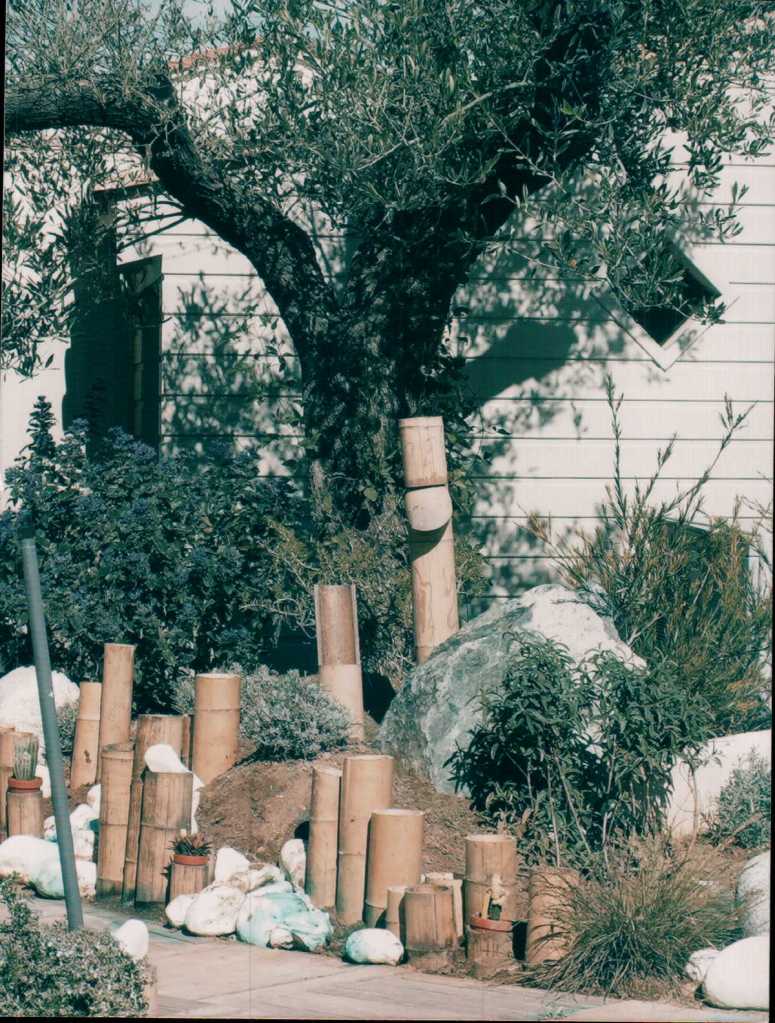
It was armed with these thoughts in mind, therefore, that Roddy and I set off for a morning with Michel to discover all the secrets of the life of a French landscape gardener. Walking into Michel’s garden to meet him it is immediately clear that this is the garden of a professional. Although small and haphazard due to the constraints of space and lifestyle, everything is very clearly thought out in terms of planting and plant selection – indeed, Michel specializes in plants and their biological needs, and he tries to instill that line of thought in all he does. However, not many of his clients are of the power and ilk that Louis XIV brought to the table, so the first shock of the day came when he said that the vast majority of his local clients, ordinary people with modest means, tended to lean towards a Mediterranean style in the Charente Maritime. Oleander, cyprus, olive, agave, pines, succulents of all sorts, grasses and other hardy bushes and shrubs that easily adapt to both the searing heat of the local summer, and the cold, wet salty winds of the autumn and winter. He added that even though France has that tradition of formality, life has changed, and no longer does anyone have the time or the inclination to run a team of hedge-trimmers, lawn-mowers and dedicated groundspeople that is required for a large formal garden. It’s an era of low maintenance and slim budgets, of adaptability and fortitude, and a substantial knowledge of rocks and gravel.
2

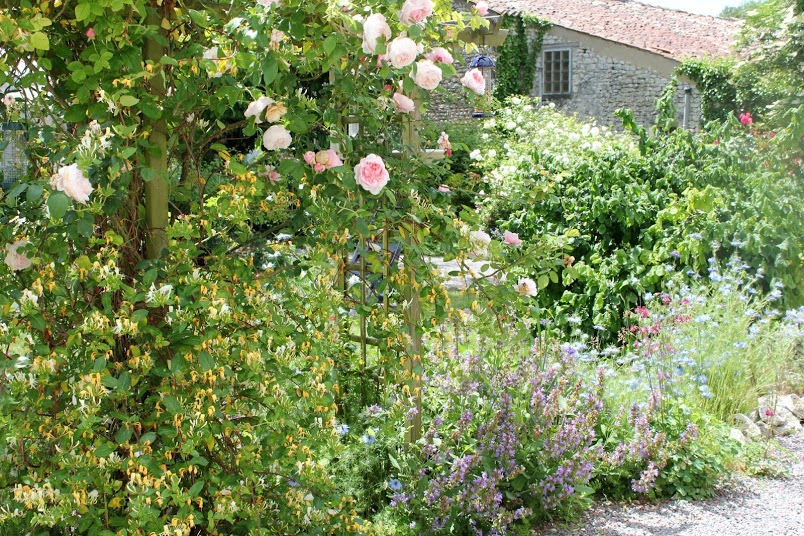
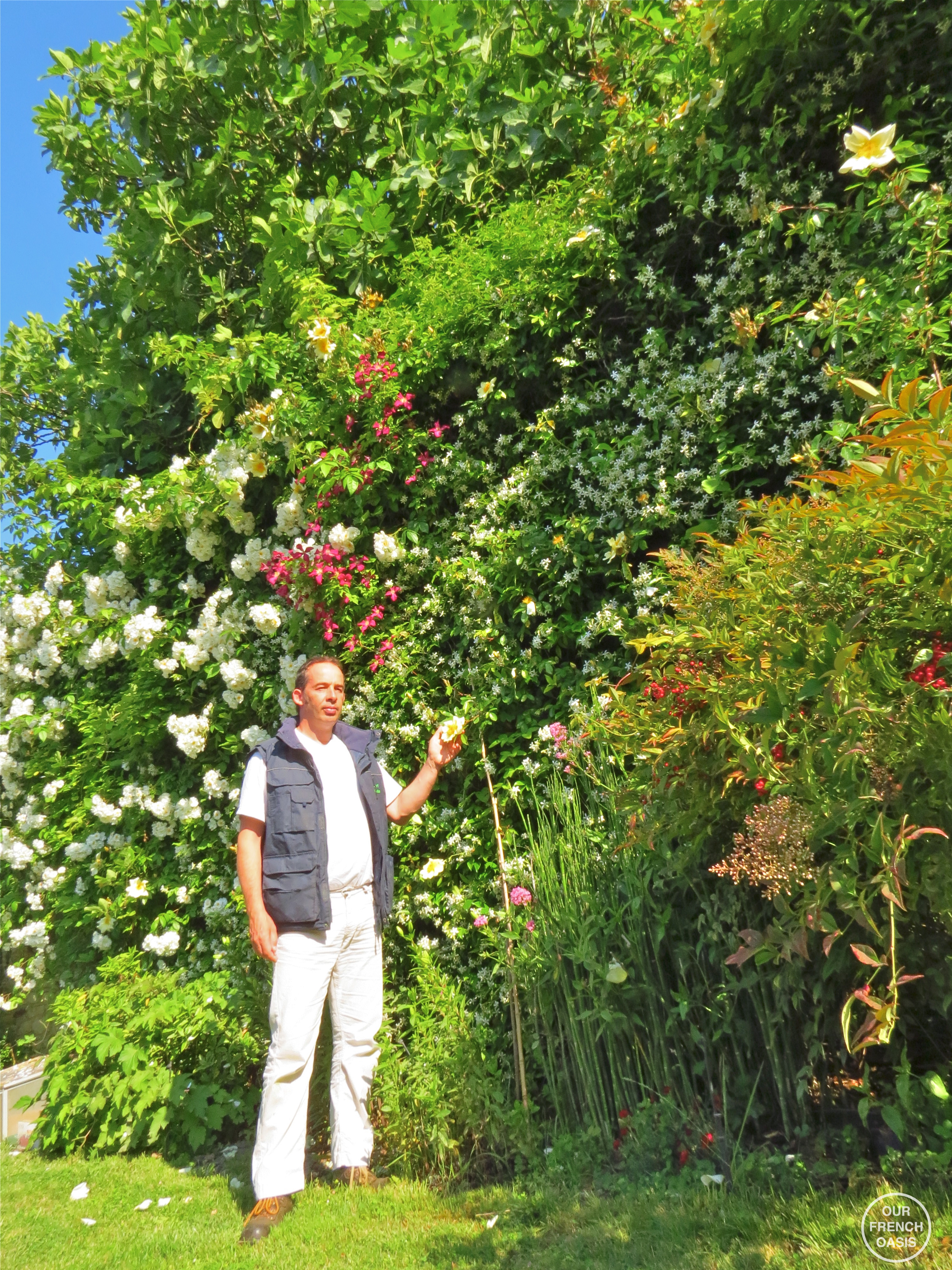
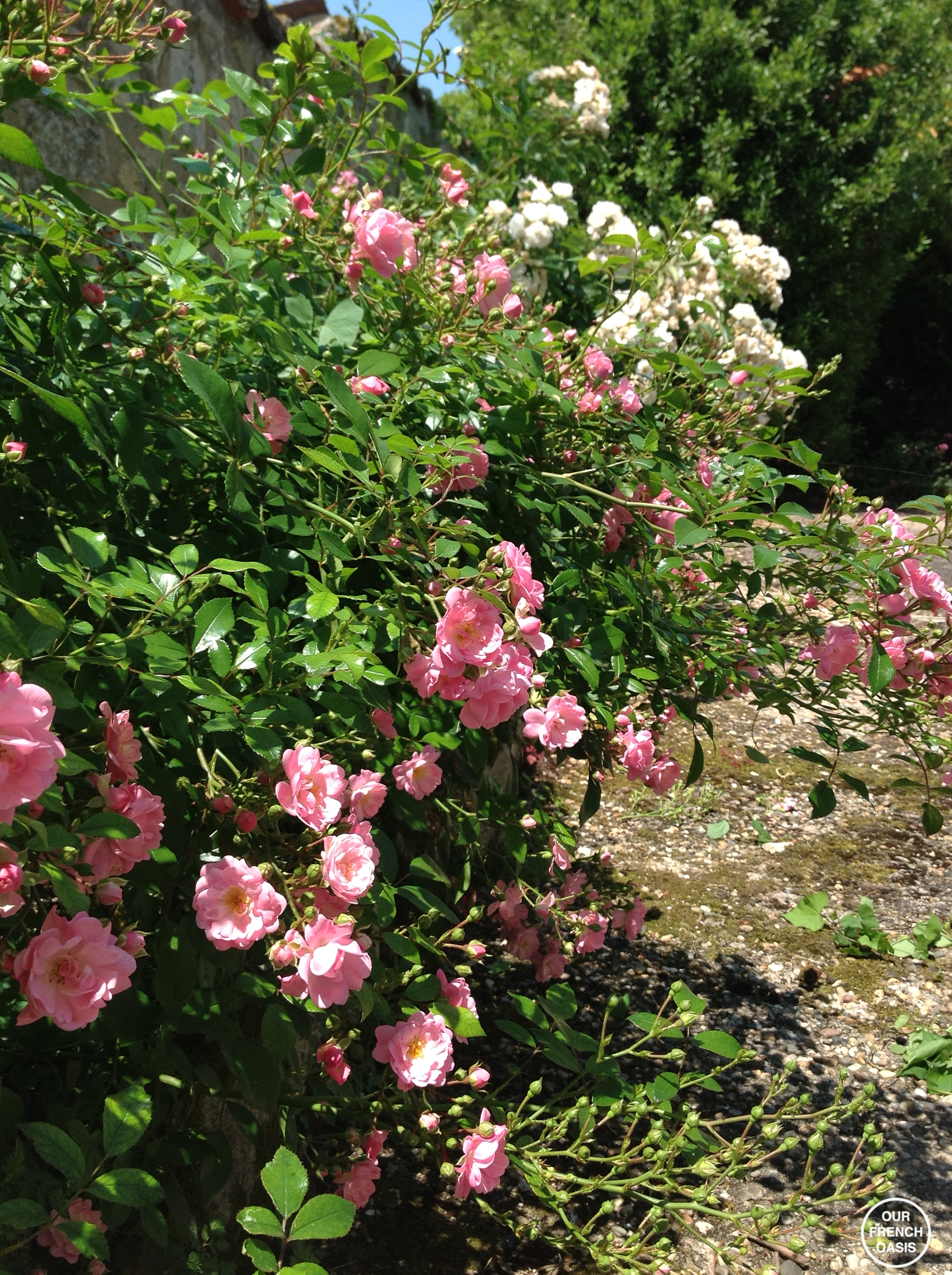
One of the main exceptions to the local style is the continued use of roses, in great profusion and in a huge variety of colours, that permeate every corner of every garden, street and hedgerow. The Charente Maritime is an area where I have never seen so many roses growing both domestically and wild, and so of course, Michel has one too, a huge rambling bush that climbs to about 25’ high against the uphill wall of his neighbour’s barn. Above it towers a fig tree, which is another staple of the area’s greenery – it seems every home has a fig tree somewhere which in turn leads to at least one table at every brocante or vide-grenier selling la confiture !

1

As a designer, Michel says much of his time is spent choosing plants and trees for his clients, and expressing their desires on plans he lays out according to their desires. Mixing colours and height, and transforming an area from a piece of burnt lawn into a manicured Mediterranean sub-space is relatively easy in terms of manual work, but the overall transformation is almost solely due to the finely tuned details he has acquired over the years as you can see from one of his projects from start to finish below. (the following four photos are courtesy of Michel)

image

image copy 6

image copy 5


image copy 2

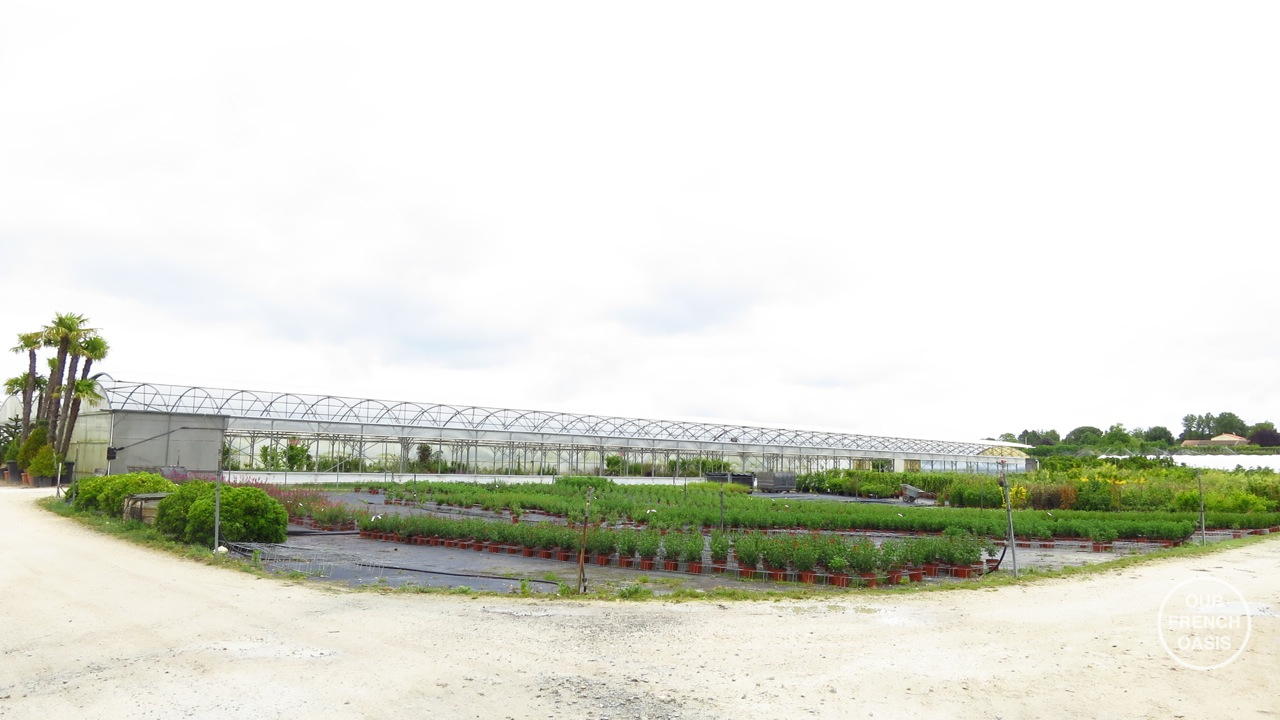
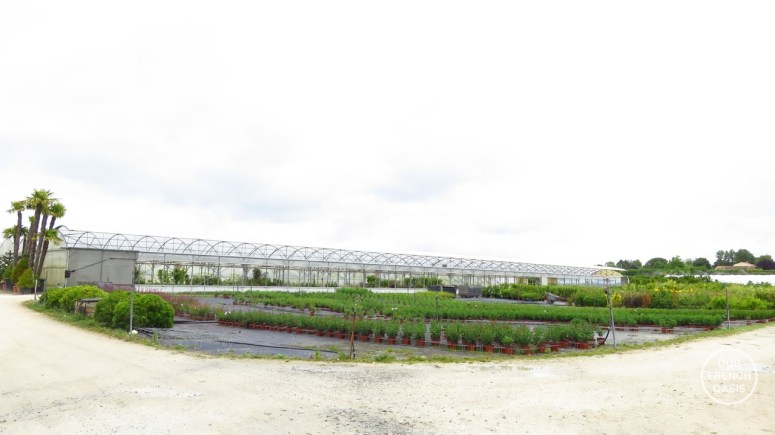
As we walked through the vast nursery that was our first stop of the day, Michel started to educate us on the myriad of plants that surrounded us, and it became bewilderingly clear to me that this was a man who knows intimately and instantly where each piece of his jigsaw goes, right down to the details of the correct substrate in which to plant his choices. Calling out names in the French vernacular and the latin nomenclature, I was suddenly very aware that this was the son of two doctors, not merely a country person familiar with some greenery. Each huge shed we came to, was full of one family of plants or another, and Michel called out to them familiarly. I was utterly amazed at the amount of variety in each hothouse and when Michel explained that this was one of France’s largest commercial nurseries, I understood. It counts LeClerc and Gamme Vert amongst its clients……
IMG_3953

As the morning progressed we moved from one location to another, from nursery to irrigation depot, and from wood-yard to tool-shop. As we rode along in Michel’s battered truck, potting-twine and weathered working-gloves around our ears, we learnt more and came to understand that despite the appearances and the business, Michel was worried. He was explaining how he has a swarm of bees in his roof  and when I asked when he was going to get them removed he looked at me horrified, the truck swerving slightly across the road, and said he had no intention of removing them, and he waved airily at the countryside around us.

“Where will they go ?” he asked. “There is nothing out there any more for insects ! Your garden, and my garden are probably the only natural gardens in the village – that is why we always have bees in our flowers.” He banged his fist on the wheel in emphasis. “All the fields around the village – there is no goodness in them. That is why there are no birds anymore – they have nothing to eat, no insects, nothing……” and he dwindled into silence.

In the quiet that followed I looked across at Roddy and he was already asking the question before I could form the words; “Do none of your clients have organic gardens ?”

Michel shook his head sadly in answer. “Not many,” he replied. “Very few. And sometimes, even after a few months, they find it easier to go back to the weedkiller and the poisons.”  Monsanto.  He seemed to spit the word out the window.

We talked more then, and it became apparent that Michel was worried for his business. A man of principal, who pays his taxes, and a man of integrity who loves nature so much he has as many weeds in his garden as we do, it seemed there was a rising tide of legal but cheap day-gardeners emerging, under-cutting him at every turn. Increasingly, his clients say they have no need of his weekly garden care, as someone else is there instead, cheaper and quicker. Cheaper because they use the clients’ own tools, and cheaper still because they have no insurance and no tax to charge. Indeed, some clients can claim back money from the government for using the lesser artisan. Quicker of course, because they are not as thorough as Michel.

Coupled with all of that, is the way the new breed of un-qualified gardeners indiscriminately use chemicals and pesticides, little knowing what the real danger of them is, sometimes with no clue as to how they work or why, and ruining the goodness in every garden they visit. Michel explained that as he has got older, he has seen many people from the industry, from his early years, fall ill or even die as a result of ignorance when it came to the products they used to use, it’s now in later years that they are paying the price for this ignorance, it’s a really sad story.  In half an hour we learnt of some terrible practices once used in the commercial industry, and discovered a long litany of crimes against nature that humans have committed in the past 40 years or so. Michel was concerned there was no future for him, nor for the true qualified artisan with a wheelbarrow, and perhaps none for his bees and other friends. We all became a little quiet.

4

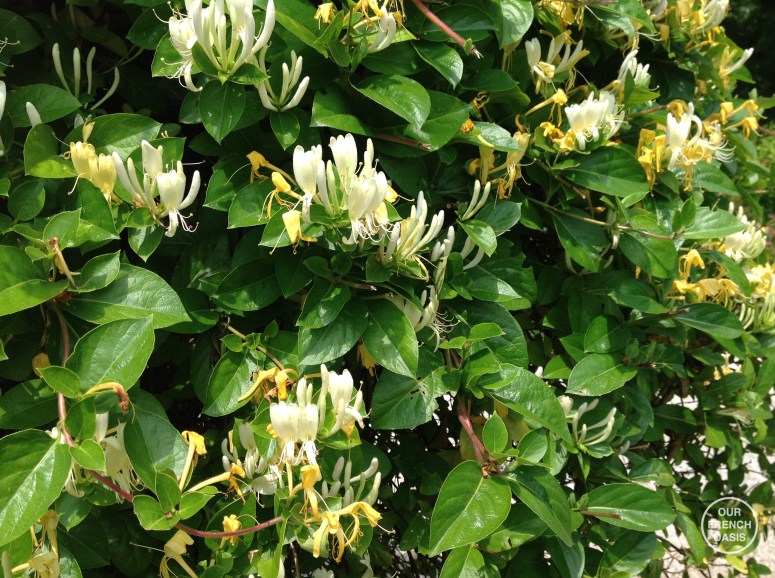
As the morning came to a close and we returned home, I realized that people who garden naturally really do more for the environment than many think – it is not just a question of doing “good”, it’s really a question of doing as much as one can at a time when the world is growing smaller and less friendly for all the wildlife and insects that a garden depends on. It may have taken a Frenchman in a battered truck to illuminate some of the ideas I had read and thought about, but it is a lesson I will not readily forget. As we walked into our driveway and a cloud of small honey-bees rose from the honeysuckle hedge, I understood even more – I knew where they were going to spend the night and I knew we were doing the right thing, weeds and all.

image


AllAboutFranceBadge

WE HAVE CHICKS!

IMG_4506

I grew up on a farm; beef, sheep and arable land. Lambs, calves, foals, kittens, puppies we had a-plenty but we never had chicks.  I have no idea why this was; perhaps, and most obviously, it was because we never had a rooster. Our hens were free-range around the farmyard, but they sadly lacked a male counterpart.  However, if you have followed my blog you will have guessed by now that chicks have been very much on my mind, not least due to the pleadings of the children!  So, when in November we purchased our four laying hens, which were quickly followed by a pair of Pekim bantam hens and a young rooster, I knew that chicks were going to feature in our future – it would be impossible to refuse the children their little piece of animal husbandry and I wasn’t objecting!

So, fast forward a few months to the spring and we had two broody bantams each sitting on a clutch of eggs. Much excitement was followed by bitter disappointment as each batch failed to produce anything at all. Roddy did some forensics on the eggs once it was quite clear they were never going to hatch and it became apparent Fritz had not quite done his job.  He was certainly practising several times a day, as we were all a witness to that, but for whatever reason these particular eggs were not fertilized.

A friend then told us of someone who had some fertilized Faverole eggs and we thought as Rosie was still listless with disappointment we’d attempt to be cuckoos and let nature do the rest.  The Faverole is a French breed, it all seemed rather fitting.  So three weeks ago on a very hot Sunday whilst the rest of the family headed to the beach, Millie, Gigi and I set off on a two and a half hour round trip for five fertilized eggs – no one was going to accuse me of not making an effort to fulfill their dream!  We knew Rosie was tired, so whilst we were excited to put the new eggs under her, we were also quite aware that she might abandon them – we were going to just let nature run its course and see what happened.  Quite bizarrely, the five eggs turned into just four at the start of Week 2,  it is still a total mystery what happened to the egg as there was never any trace of it.

Three weeks after Operation Faverole commenced, there was no sign of movement come the appointed day on Sunday morning at breakfast time, so it was without any anticipation that Gigi and I wandered down to the ‘broody’ coop a little later with some extra food.  As we chatted away and nonchalantly opened Rosie’s little upstairs door, feed in one hand and fresh water in the other, it was a complete shock to find a tiny fluffy yellow chick inches away, staring at us in bewilderment!  A lot had happened since breakfast, it seemed.  The little bundle of fluff stood out against the dark brownish black of Rosie, and over the course of the morning the other three eggs hatched without further ado. For some reason the excitement affected everyone, including dog, cats, ducks and even Roddy!

IMG_4326

Yesterday morning we set about redeveloping the duck’s old outdoor run for Rosie and her tiny babies;  it’s going to be vital they are kept safe from Rory and Clara, as our two kittens are now almost fully-grown cats and they are both Olympic-level hunters.  At teatime Rosie and her chicks were safely transferred from the far end of the garden to their new home just by the terrace in the cats’ travelling basket, and the children took up their positions watching through the slatted walls of the run like tourists outside Buckingham Palace, waiting for a glimpse of the new-borns. After an hour or so Rosie finally gave in to the adoring crowds and let the chicks emerge from under her protective wings into the open air. It really was rather like watching royalty appear on the balcony. There was quite some considerable excitement amongst the crowds which now included four neighbours, attracted by the sound of high-pitched whispering and the paparazzi clicking away.

IMG_4311

IMG_4312

Having never observed baby chicks and a hen together, I was struck last night and this morning by Rosie’s utter devotion to her babies; she is such a proud, proud mother, and she permanently fusses over them and they in turn follow her everywhere; where Mum goes, the babies follow. I am totally hooked.  Roddy remarked that it is like watching four little yellow tugs working feverishly around a great Cunard liner.

IMG_4399

IMG_4515

Amongst all the madness on Sunday I had also set about making strawberry jam. I’d bought several kilos of locally grown Charente Maritime strawberries at the market on Friday and I wasn’t going to let them go to waste amidst all the excitement. So after the royal Faverole introduction there seemed no better time to try out the first homemade jam of the year, complete with a batch of homemade English scones, fresh from the oven. The timing was perfect for the childrens’ traditional 4pm goûter, which is the hour of the afternoon snack in France. Our neighbours’ son joined in the feeding frenzy, as he is a young French boy who has become a huge fan of ze leetle English scones!

IMG_4458 2

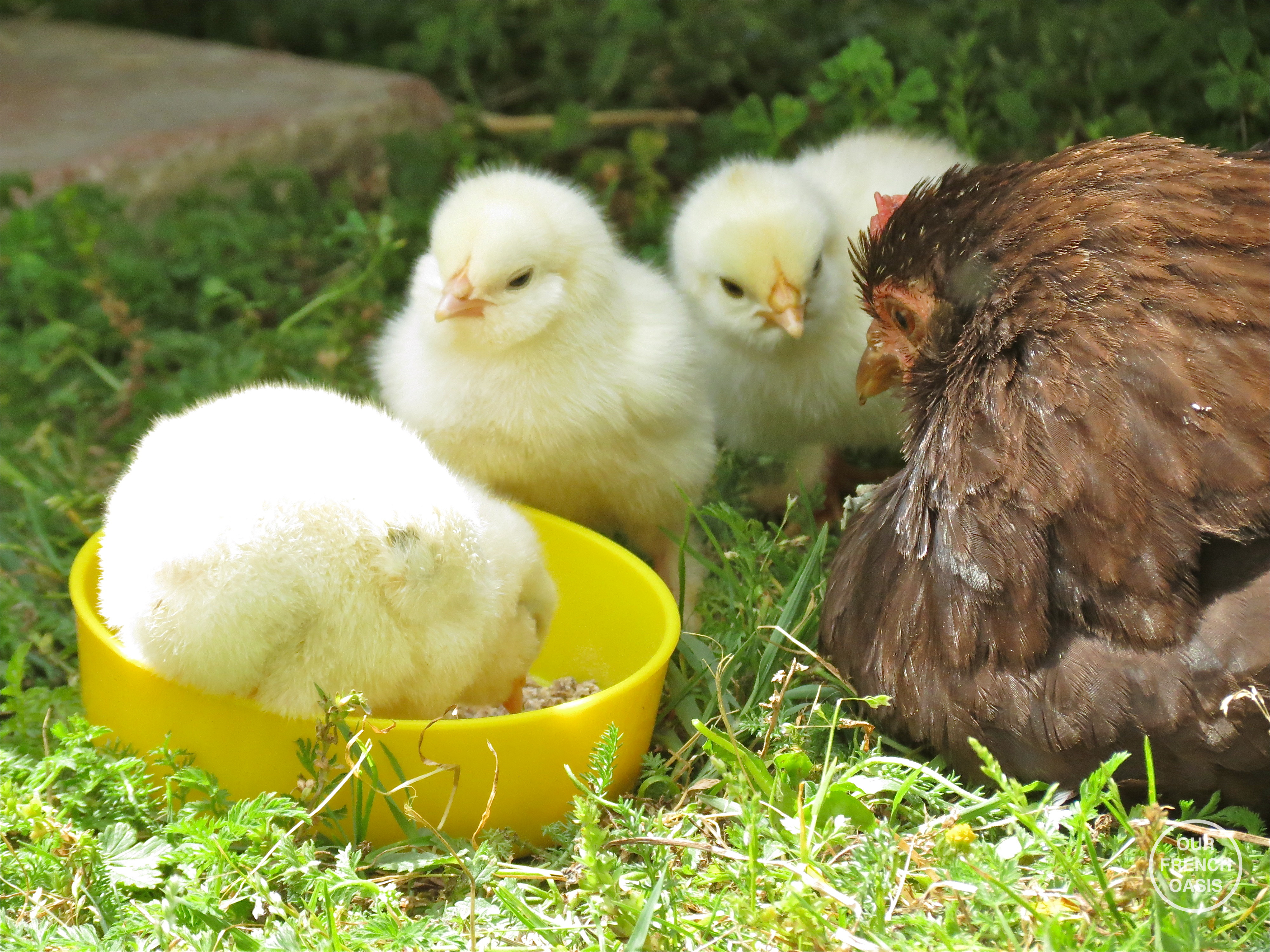
Meanwhile the jobs here are already mounting up as I have spent far too much time standing watching chicks!  Yesterday afternoon Rosie led her little line of followers to the little tub of special chick feed, and started Lesson 1 of life.  A few moments later and Lesson 2 started – this was the drinking one, and the children fell about giggling hysterically as one small chick’s attempts to mimic mum’s throwing back of the head led to a rash backwards somersault. I can see it’s going to be an entertaining summer !

IMG_4379

IMG_4422

 Animal Tales Badge Final

MAY IN THE CHARENTE MARITIME

IMG_4263

In France, May is seemingly full of public holidays and  the last one is Pentecost; as we chatted during supper on Monday evening we all agreed we cannot remember the last time we had such a fun weekend. It all went by in rather a social blur; friends to lunch and dinner, fabulous long sunny days staying light until nearly 10pm, and the kids decided to camp in the garden for two nights so our lawn became ‘Tent City’ as friends joined them.

I cannot believe the month is nearly over; where did it go? It seems only last week I was incredibly happy we were into the month of April and that spring was well and truly in command. Yet here we are now, only a few days from June. I hope it slows down or before we know it we will be hauling logs, lighting fires and getting out our hats and scarves again.

To try and prolong it a little longer I thought I would share with you a photo-tour of our month of May.  It didn’t get off to the best start as it arrived with pouring rain and chilly winds which quite typically coincided with the children being on Spring Break.

IMG_3773

after several days the skies cleared and once again the sun came out to play

IMG_2715

IMG_3809

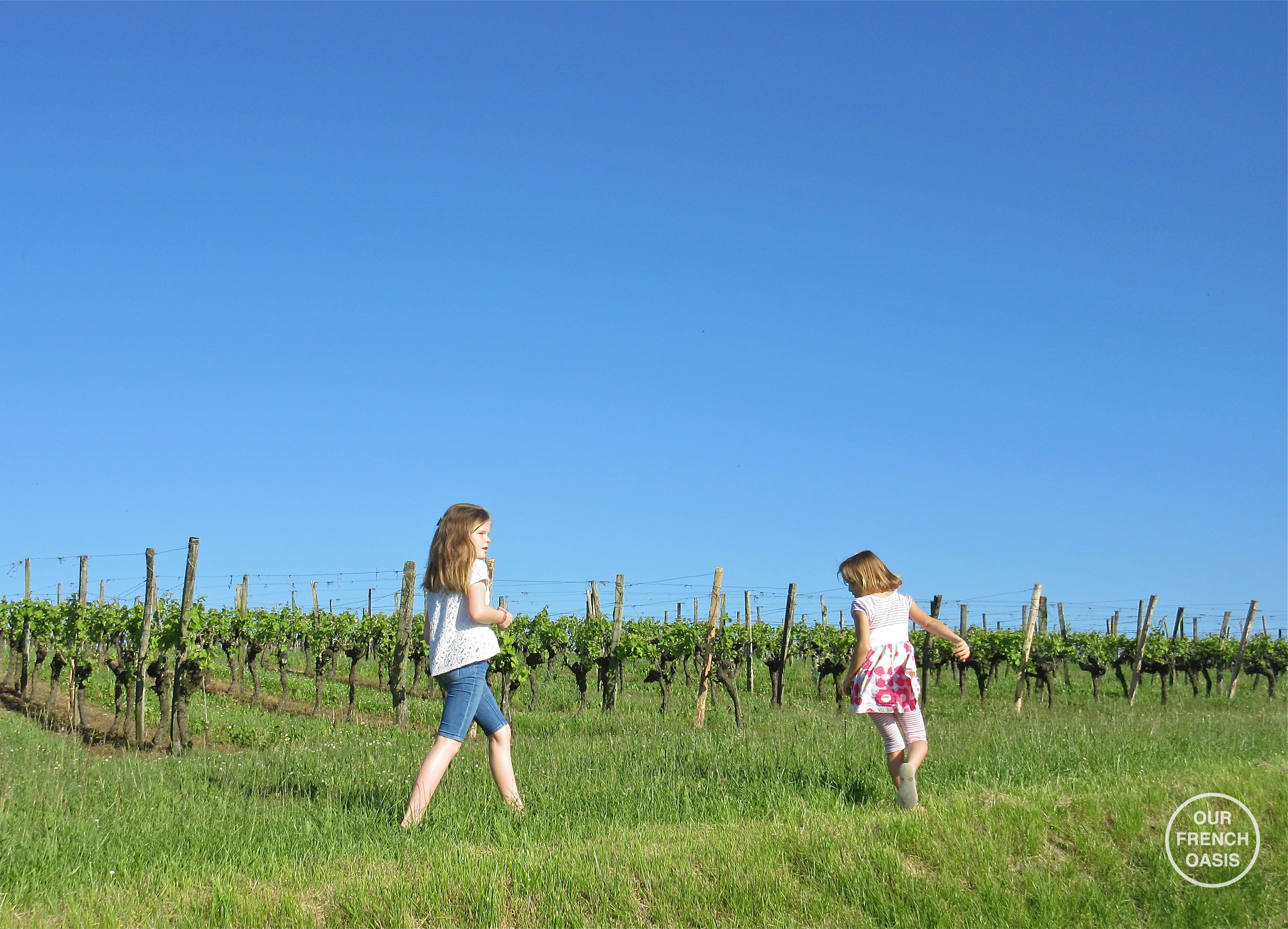
having been dormant all winter, vineyards were once again bursting with life

IMG_3885

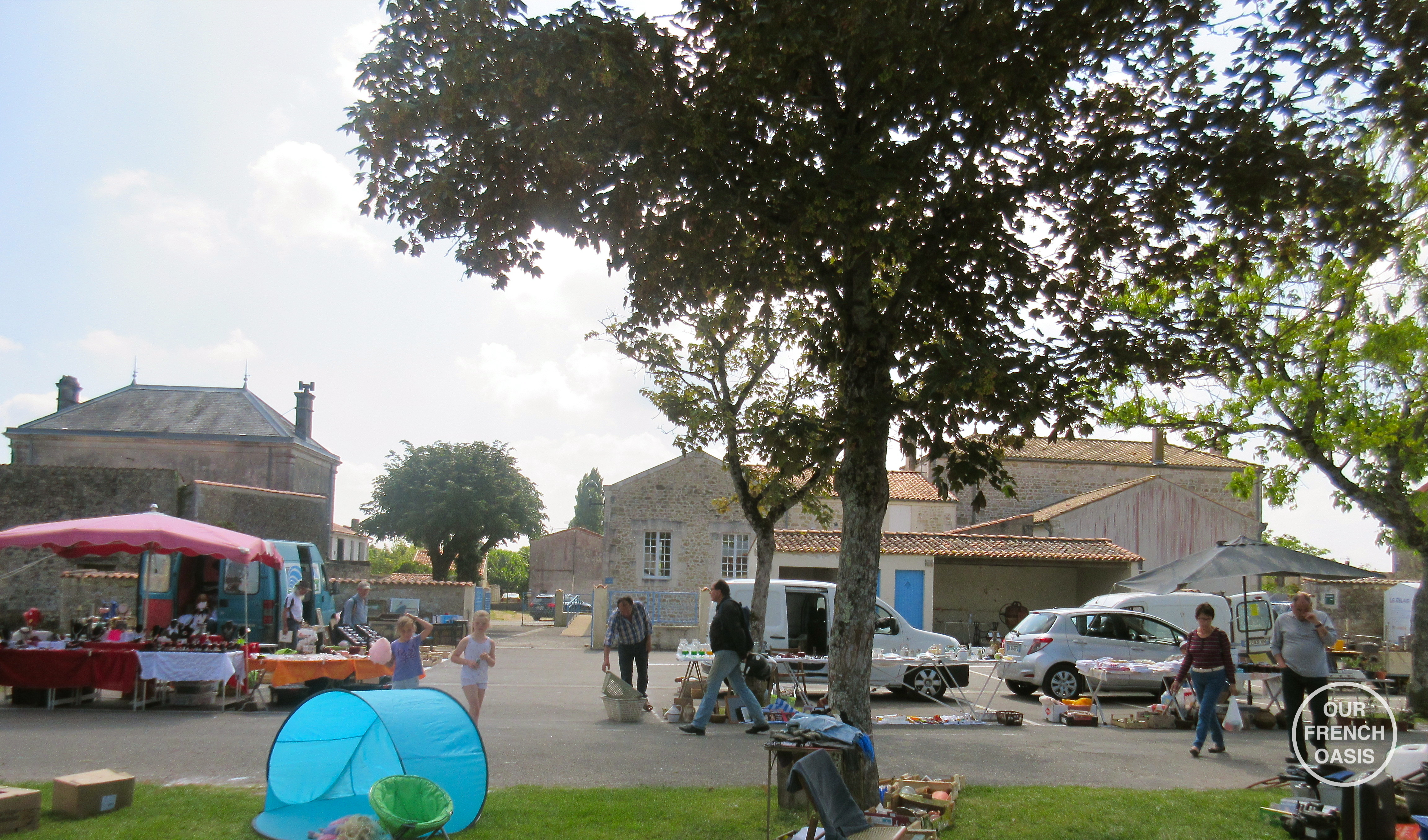
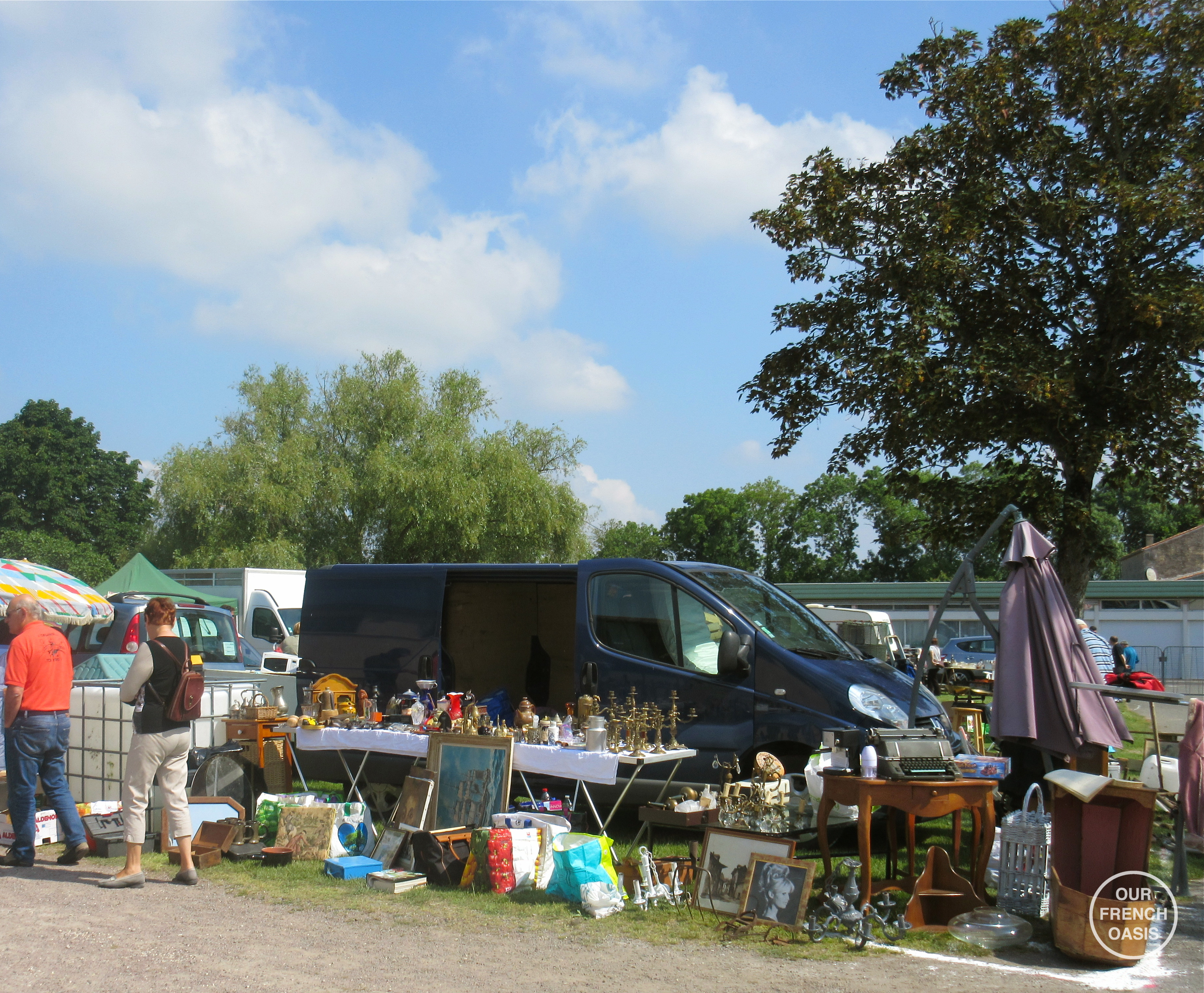
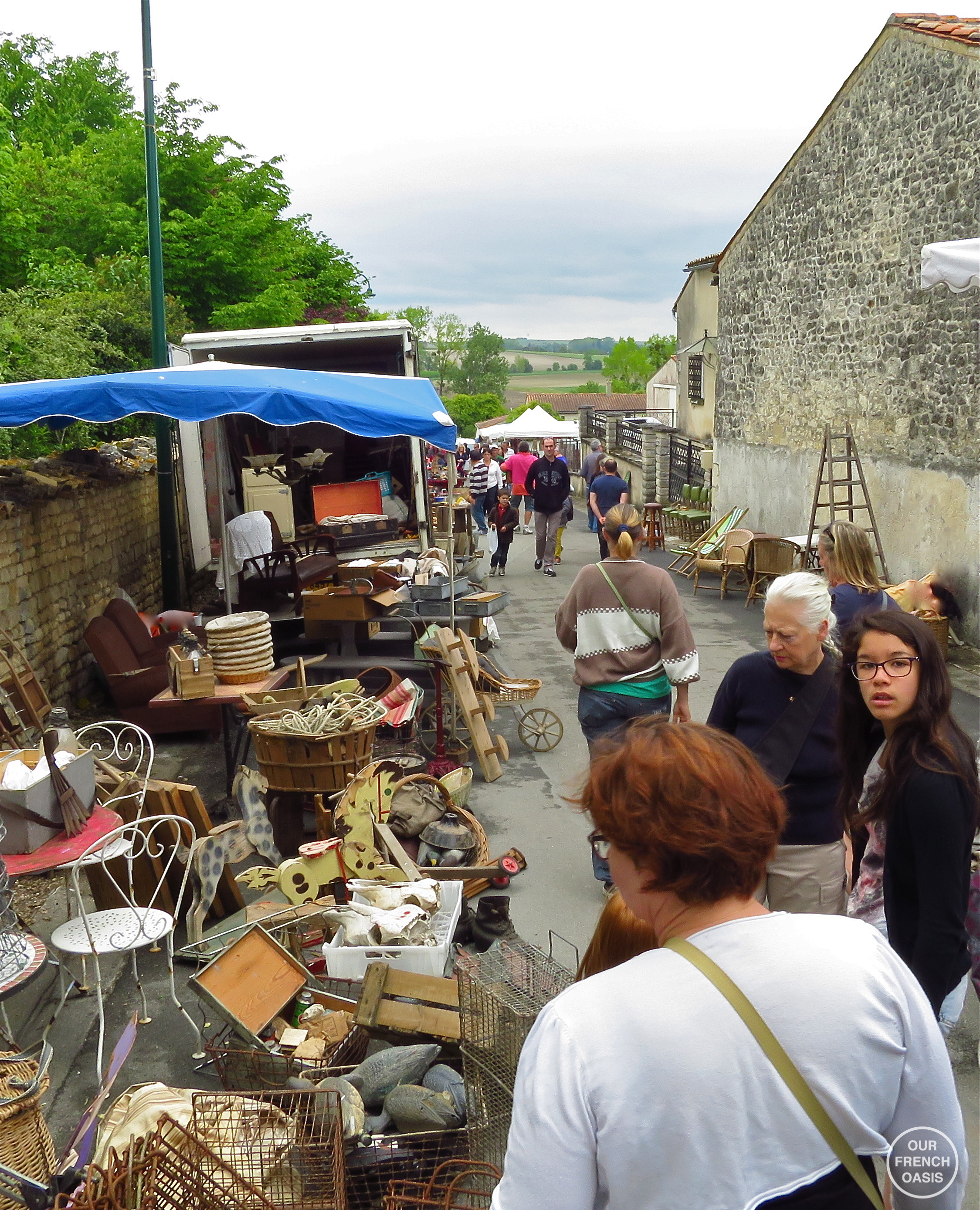
villages that had seemed almost deserted became centers of chattering activity as the Brocante season got well and truly underway

IMG_4212

IMG_4210

and I found a fab heavy brass chandelier for the summer kitchen

IMG_4236

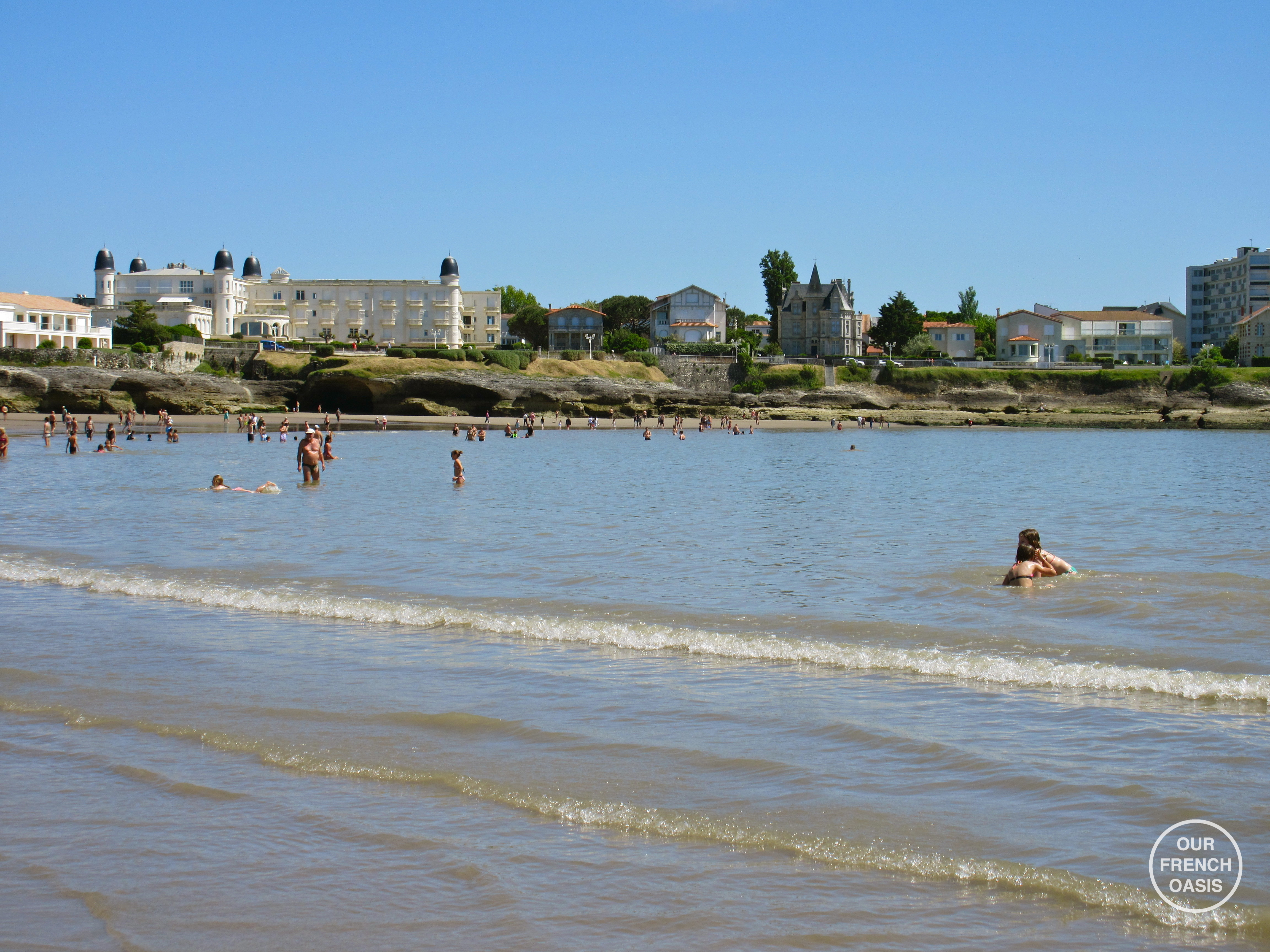
 some of us were brave enough to have our first swim of the year

IMG_3963

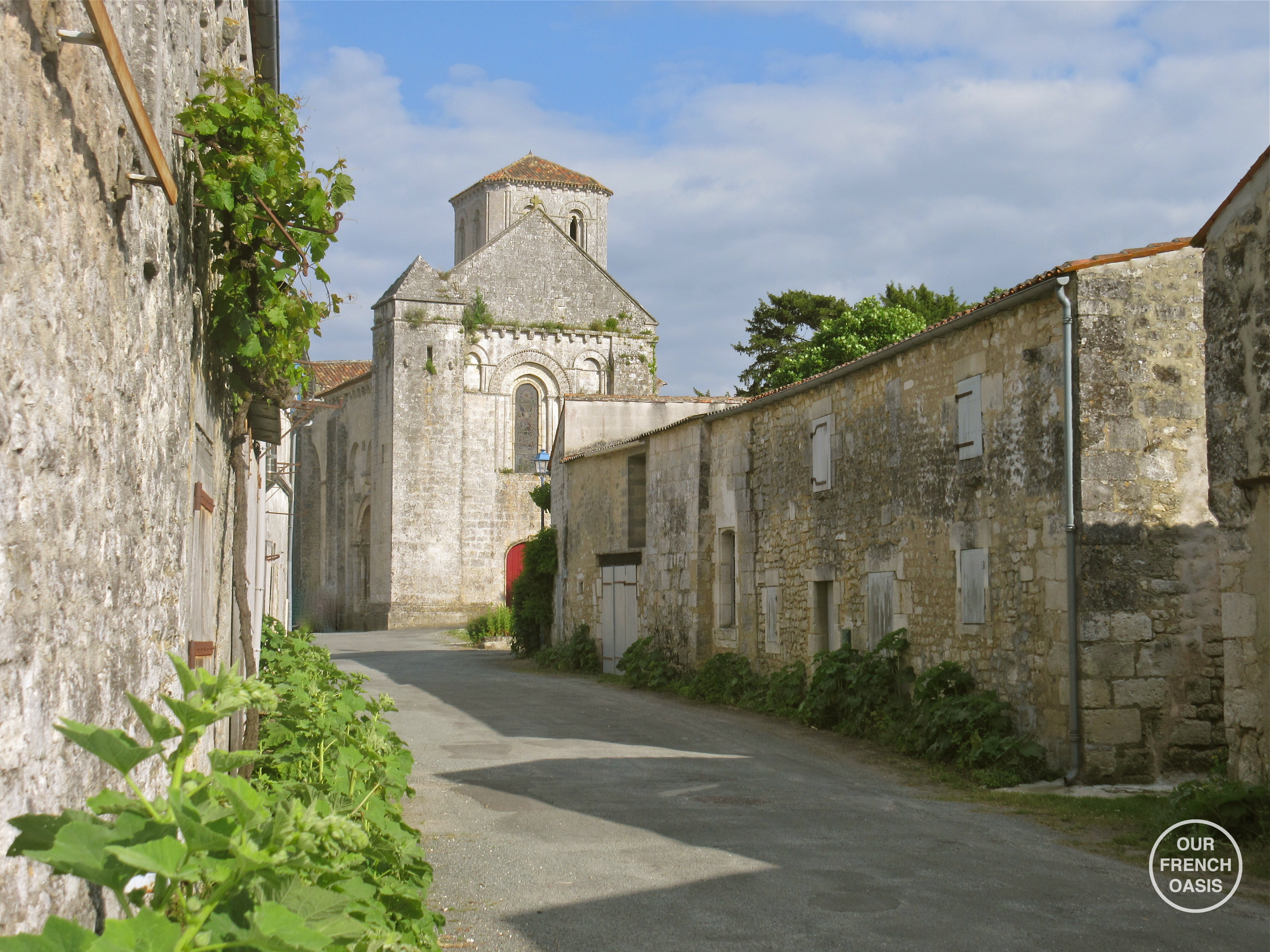
and we dusted off our bikes and set about exploring nearby villages

IMG_4341

IMG_4351


IMG_4345

the garden demanded, but failed to get, constant attention as I waged a war I realized I was never going to win on the weeds

grower spaces 14

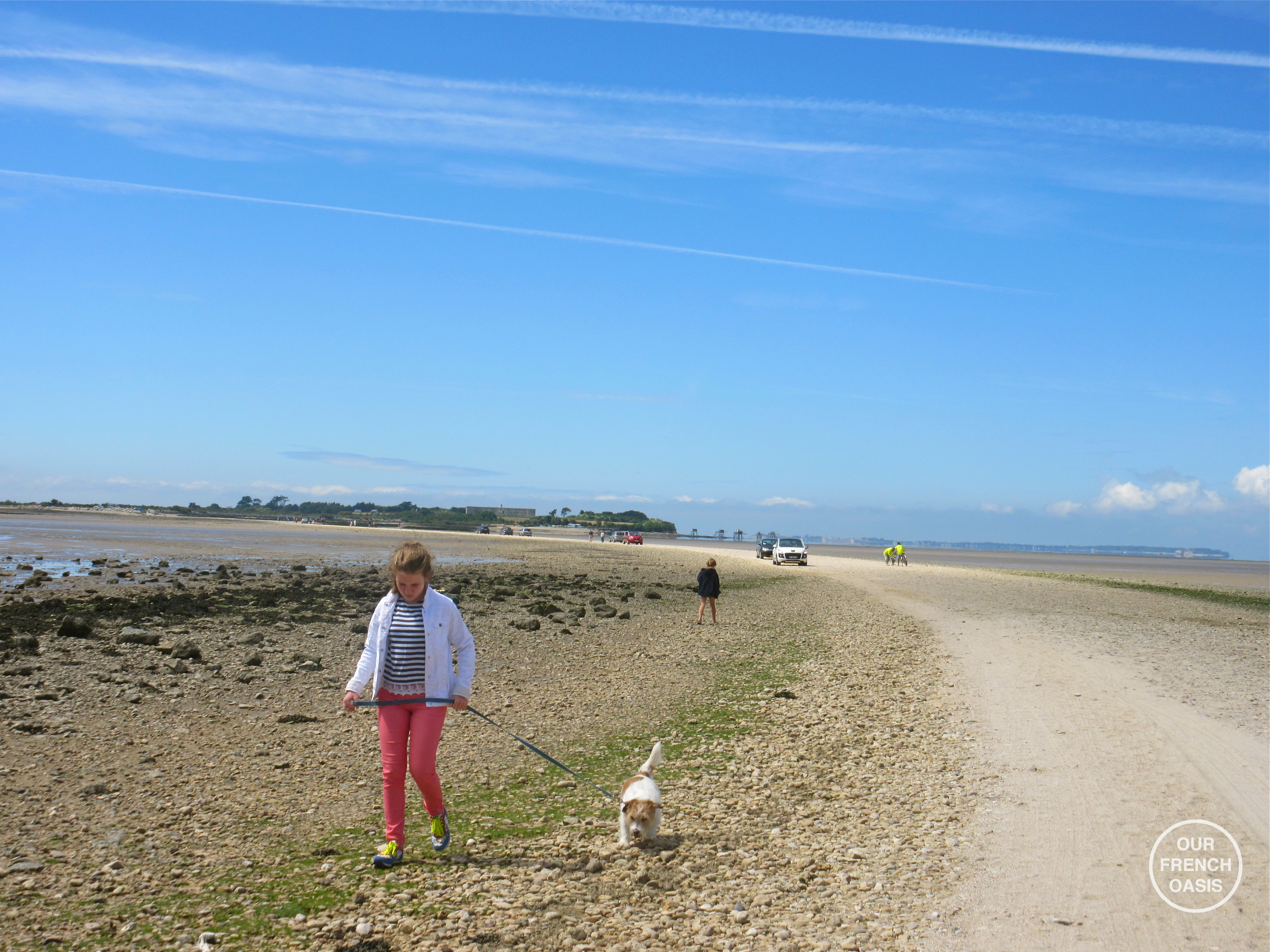
we walked the well-trodden sand and stone causeway over to the Île Madame

IMG_4271

 and one morning when the children were all at school found ourselves quite by chance at the most incredible stone-mason’s yard

IMG_4315

IMG_4314

IMG_4312

 cherry season is now in full swing, picking, eating, picking and eating more – it’s the simple things in life that I enjoy so much!

IMG_4301

IMG_3844

IMG_3838

the locals are saying it is the best year for roses in decades

IMG_4327

IMG_4319

a little renovation required, but how about this for a cute weekend retreat

IMG_4333

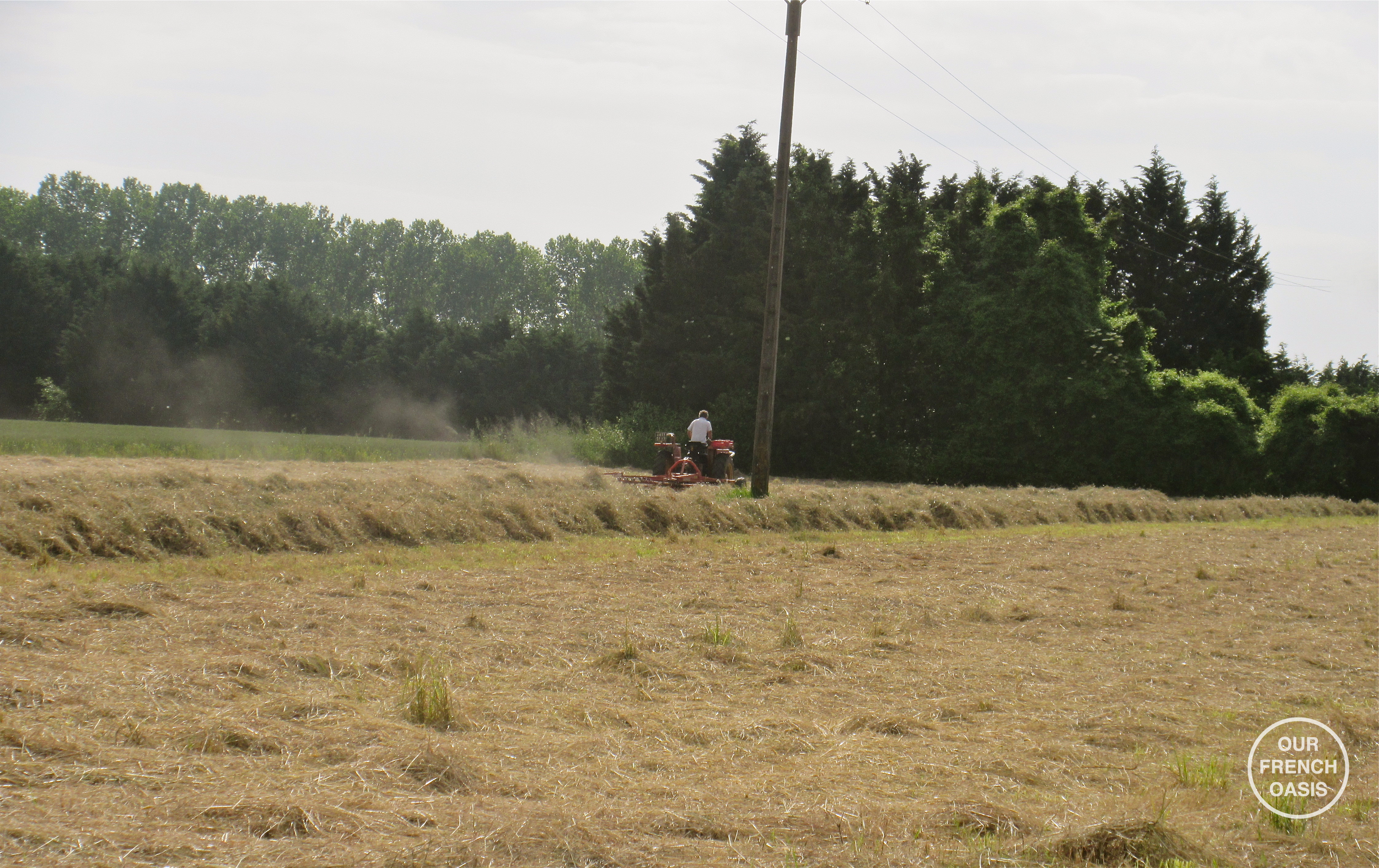
yesterday some farmers were turning their hay, making the most of the sunny dry weather

IMG_4338

and when we walked Bentley after supper the sun was still beating strong at 9pm

IMG_4342

I hope May has been a good month for you too and as always thanks for reading, thanks for following me and for your comments, I have said it before and I’ll say it again, I really enjoy taking photos whilst we are out and about and sharing them with you and telling our story from this tiny little corner of France.  Merci mille fois

A FOREIGNER IN FRANCE


photo

People who have never lived abroad are often curious as to why others do. And until one actually has done so oneself, it is hard to understand the subtle nuances that can make life in a foreign country so great. The obvious differences such as language, location, and weather, are easy to understand; but often is it the minutiae of everyday life that draws people back to a place they may have only visited once on holiday, or seen film of, or read an article about. Sometimes it is not just a case of having wanderlust or a querying mind, but also a case of loving the quirkiness and embracing the challenge of living somewhere different and out of your comfort zone.

France is a great country – it has so much to offer and so much in its character that to a person living in the modern era its history and culture have much more right to importance than many may think. Whether it’s scenery, art, architecture, weather, cuisine, history or sheer grandeur, there is something for everyone in France, and that is what makes it such a great place to live, whether you’re soaking in the sleek atmosphere of a Parisian quartier, or sipping pastis next to a field of provencal lavender under an azure blue sky.

IMG_3797

For us, here in the Charente Maritime, we revel in a pastoral countryside of rolling hills, salt marshes and some truly fascinating architecture, built when France was at the height of its maritime power.  In summer, the lie of the land is yellow and green, sunflowers and grapevines, studded with forests of rich oak and chestnut.  Rochefort, Royan and La Rochelle guard the coast, and Saintes crowns the inland countryside.  In between are the working towns and villages, where French life continues, much as it has done for centuries, with its idiosyncrasies and small rituals of heritage.

IMG_3801

Old-style France, the haven where most people who come to live here want to enjoy at its best, is full of matters and ideas you have to get used to.  The French like to communicate, sometimes with verbosity and volume.  So to start with the greeting game is something you have to learn to play quickly, and well.   A “bonjour” in any situation, whether entering a shop or a household, a school crowd or the queue in the post office, is an expected passage of rite.  Most French people will also say goodbye to all and sundry when leaving a situation too. Children you know will do the same, instantly breaking off what they are doing to come and dutifully greet you.  Manners are important to the French, drilled into them at an early age, and they are amused at the casual tourist who does not play the game.   This also extends to the ‘bisou’, the traditional peck (whether one, two, three or even four) on the cheek which is actually a very simple gesture of both affection and civility.  We currently live by the ‘two bisous’ rule, one on each cheek, delivered only once a day to someone when you first see them, and with an obligation to those you know perfunctorily.  Strangers get a handshake first time round – it is best for them to offer you a cheek the next time before disgracing yourself with eagerness because he is so good looking!

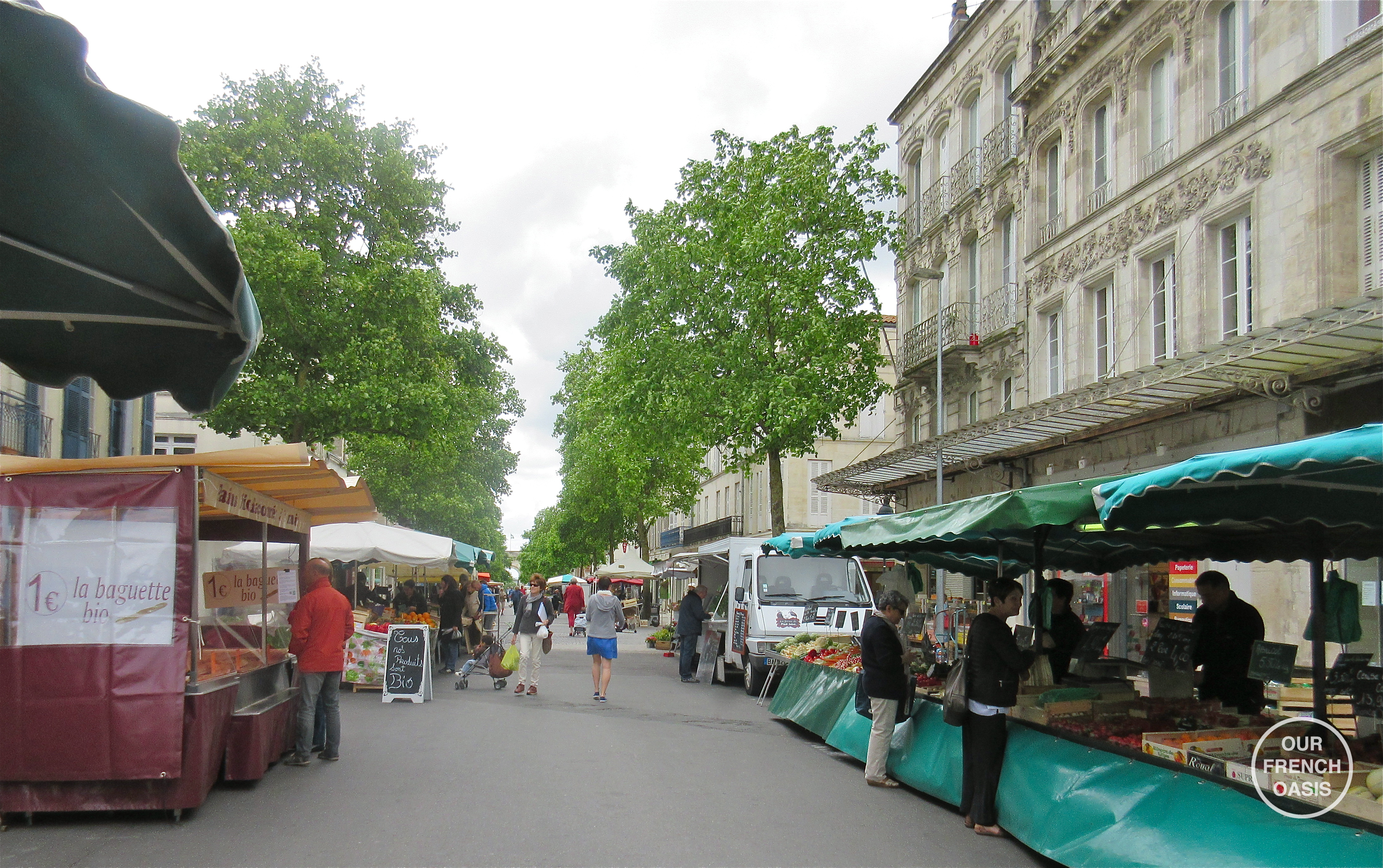
Part of France’s heritage are its markets, whether it’s a weekly produce affair in the village square, or a daily one in a larger town or city. French people live in rhythm with the seasons, and this is especially important when it comes to food. Vegetables and fruits are eaten at the appropriate time of year, and you should know your varieties of strawberries and make note of your beans. It is easy to step back 30 years in time at a market-stall and talk serious recipes with your fellow shoppers. Yes, there are huge super-markets in France, but the traditional way to buy food is not losing pace at all. Seafood, meat, plants and fruits, charcuterie and cheese – all can be bought at the street-market at the best possible prices.  Last week I counted the cheeses on my fromagier’s stall; there were nearly a 100 of them – in a small village. Neither WholeFoods nor Harrods would come close to the selection or the knowledge of my ‘cheeseman’.

IMG_4189

Another big difference one finds strange in France is the pharmacy – whereas in many countries it is usual to be able to stock a first aid kit at the modern supermarket, in France band-aids and antiseptic sprays are about the limit of the items available.  Pain relief, cough medicine, cold remedies – they must all be bought at a pharmacy, and what’s more they are behind the counter and only available on request!  However, they always carry a fabulous range of beauty products, slimming products, anti-cellulite creams and much sort after face creams – it is almost certain that the pharmacy will be able to make you presentable enough for the catwalk!  (Personally I think this is why husband’s on holiday are happy to wait while their wives spend ages in the pharmacy, they love ogling the huge adverts of girls massaging their slim brown thighs with creams that promise miracles, but that’s another story and I am getting side-tracked!).  In the autumn during mushroom season there is nearly always a board showing which mushroom is safe to eat and which is poisonous and if you are unsure you simply take the fungi of concern into the pharmacist who will confirm if indeed it is safe to eat.  So many of life’s problems can be solved in a small French Pharmacy!

IMG_4196

Other foibles one must get used to is the fact that at 12.00 midday, or perhaps 12.30pm, everything closes. The French do lunch. Whether you’re a factory worker, a gardener, a board director or the school mistress, everything stops for lunch.  And while there are indeed MacDonalds and filled baguettes to be found, probably 80% of France sits down to a proper lunch, complete with dessert and cheese.  The traditional menu de jour typically has three courses.  Even children at school get indoctrinated into this, and as I write this blog a small note beside my elbow informs me that today at our small village school of just 67 children, our two youngest will be eating cucumber salad, followed by fresh grilled fish from the Charente Maritime with organic rice and tomatoes, and then end their meal with a chocolate pannacotta, all served à la table and always with French bread. The menu for the month is sent home with each child and local produce is always listed as well as what is organic.  The French lifestyle of foodiness also crops up again at some stage in the afternoon, typically when the children get home from school, when goûter is served – cakes, biscuits,  sandwiches or fruit – something is always put in front of children at this time. It has got to the stage where our children’s friends even congregate in the kitchen like a flock of homing pigeons at the vague time when they know something is going to be dished up, and mutterings of “goûter ?” become very audible. It is expected, even if we are the ‘foreigners’.

photo copy

IMG_4202

Coming home with the shopping raises another foible that some people find difficult to get used to – carrier bags. The French do not offer free carrier bags for the shopping – if you forget to take in your own bags or are on vacation you can buy a very sturdy large bag for 2 euros, they last for ever and are quite capable of swallowing half  a cart load of goodies.  Many a time I have tried to walk in a dignified fashion out of a shop, clutching pens, notebooks, magazines; or the bakery carrying baguettes and croissants trying hard not to drop anything, all because I forgot to take a bag with me.

IMG_0439

There are many other areas of difference between France and the rest of the world, but it would take a whole book to go through them all, so I hope you’re happy with a brief taste of some of the things we enjoy most, and find so refreshing, between our native country and the one we now call home. I think the reason you are reading this is because you know this anyway, and love France almost as much as we do.  Have a great week  x

A SLEEPOVER IN PONS

IMG_3902

Last week was VE day – Victory in Europe – and it is always a public holiday in France.  We were invited to dinner at a friends’ house and to stay the night.  The children were excited when they knew they were going for a sleepover altogether but it seemed that the invite had caused confusion, for one afternoon the week before we left, Gigi looked at me with a very serious expression on her face and asked “Are you and Papa staying the night in Pons too?”. I told her that of course we were!  The serious face turned into an incredibly big smile, “Mama and Papa are having a sleepover too, that’s so cool!”, she said.  She and her siblings are always having sleepovers at friends’ houses or have friends coming to our house, but the idea of her parents doing the same at a friends’ house had not occurred to her at all!

The day of the big sleepover arrived – you would really have thought we were going away for a month, not a night.  Our fabulous neighbour was left in charge of the ducks and chickens, the kittens had plenty of food and Bentley was coming with us.  All the shutters throughout the house had to be closed, a job in itself which seems to take forever and then there is the actual reality of ushering five children out of the door with all their “stuff” – of course we were running late!  It was the most perfect day, hot and sunny with clear blue skies.  As we headed east our coastal landscape slowly gave way to the gently undulating hills of inland Charente Maritime, with rows and rows of vines as far as the eye could see.

IMG_3892

In the late afternoon after we arrived we walked for miles, through the vineyards as is so typical in France; no cars, no noise, no-one to be seen apart from a solitary tractor working in the vines and the chatter and laughter of the children.

IMG_3888

IMG_3875

The most delicious dinner followed and for once no need to worry about driving home, what a treat that was.  Several glasses of wine, much laughter and hours of talking.  The children went to bed far too late, only to be woken along with everyone else and a very nervous Bentley at 5am by the roar of overhead thunder and much flashing of lightning.

The storm brought with it cooler air and a stiff breeze but amazingly the rain held off for the annual VE day Brocante and plant fair in Avy the next day.  Beer tents were overflowing with friends enjoying their day off; dogs on leads; children running here and there amidst so many people carrying their purchases – flowers, zinc pots, copper pans, pieces of furniture – for anyone wanting to experience the “real” France, a visit to a Brocante during the spring has to be very high up on the agenda.

IMG_3530


IMG_3904

For once we were in no rush, time was on our side and later we took the opportunity to explore the beautiful town of Pons.

IMG_3907

Perched on a rock, this Cité Médiévale is very much worth a visit.  In the centre there is the remaining vestige of the old fortified castle and its magnificent keep.   It was destroyed in 1179 by Richard the Lionheart and then rebuilt again later. We were careful to speak in undertones and remain very un-British!

IMG_3906

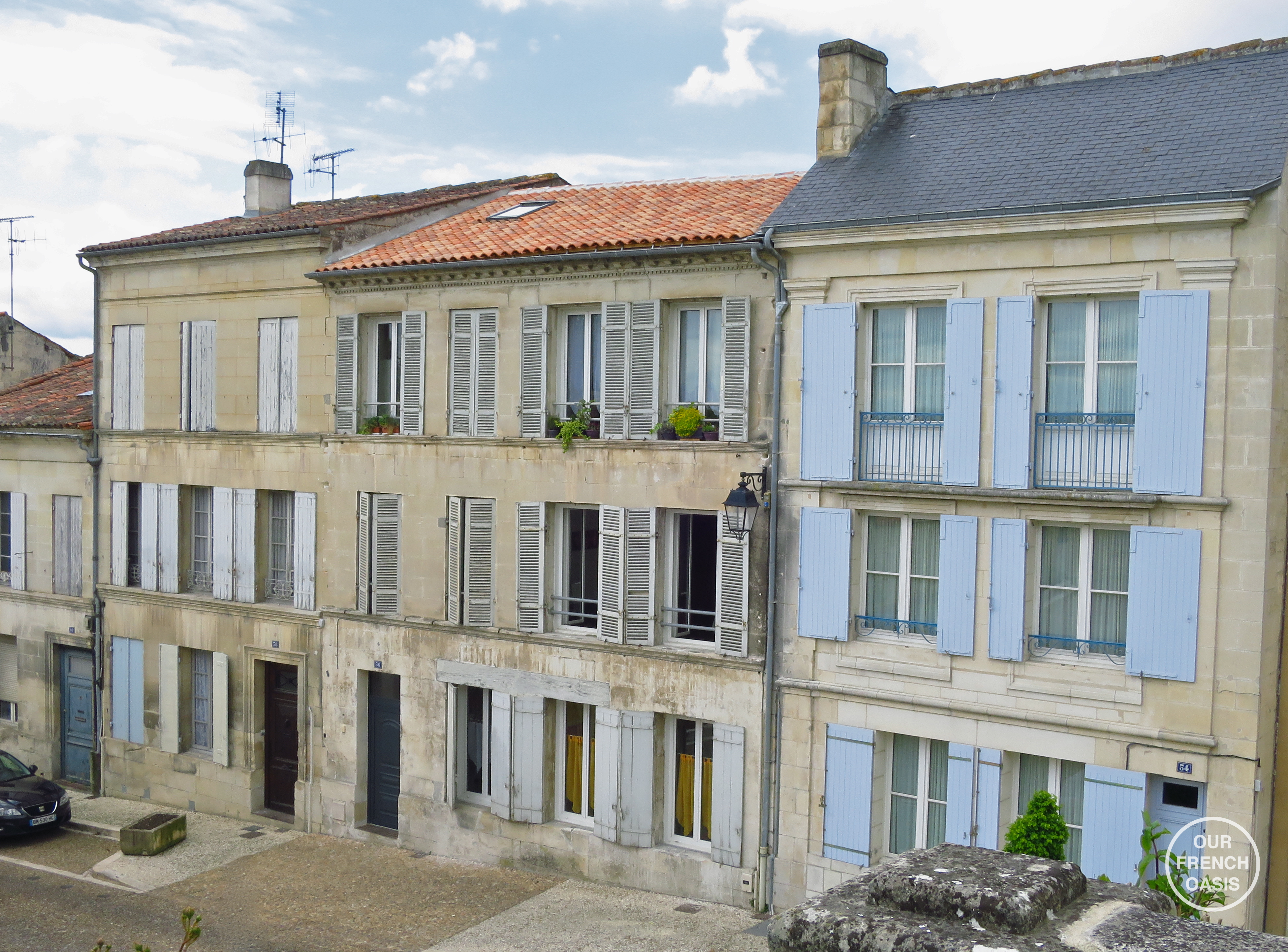
All around are small streets full of history, adorned with turrets, arches, stairways and fabulous private houses.

IMG_3549

IMG_3905

Alleys join the lower town where pilgrims on their way to the town of Santiago de Compostela stopped at the Hôpital Neuf (New Hospital) founded in 1160 by Geoffroy III of Pons.

On the other side, a walk in the park is an occasion to see a typical French public garden with carefully manicured shrubbery and glorious avenues of huge green trees à la Française – chestnuts, oak and plane (sycamore for our American friends) trees are typically planted for this purpose.

IMG_3920

Our little sojourn away has thoroughly recharged our batteries and is good proof of the saying, “A change is as good as a rest” !

LOCAL ARTISANS – THE ENDURING LEGACY OF CLAY


IMG_3514

Tucked into a small quarry under a clump of trees where a host of black kites nest each year, lies one of the Charente Maritime’s oldest industries. Quietly known throughout France by the cognoscenti, and with a rich history stained by the very earth on which it stands, the furnaces of TERRE CUITES still shimmer with heat as they have likely done for over a thousand years.  Yesterday we had the pleasure of meeting the owners and our family spent a fascinating afternoon learning about this important local industry.  I was so happy to meet Monsieur Pauzat and his Father and to make this number 3 in our “Local Artisans” series.

IMG_3491

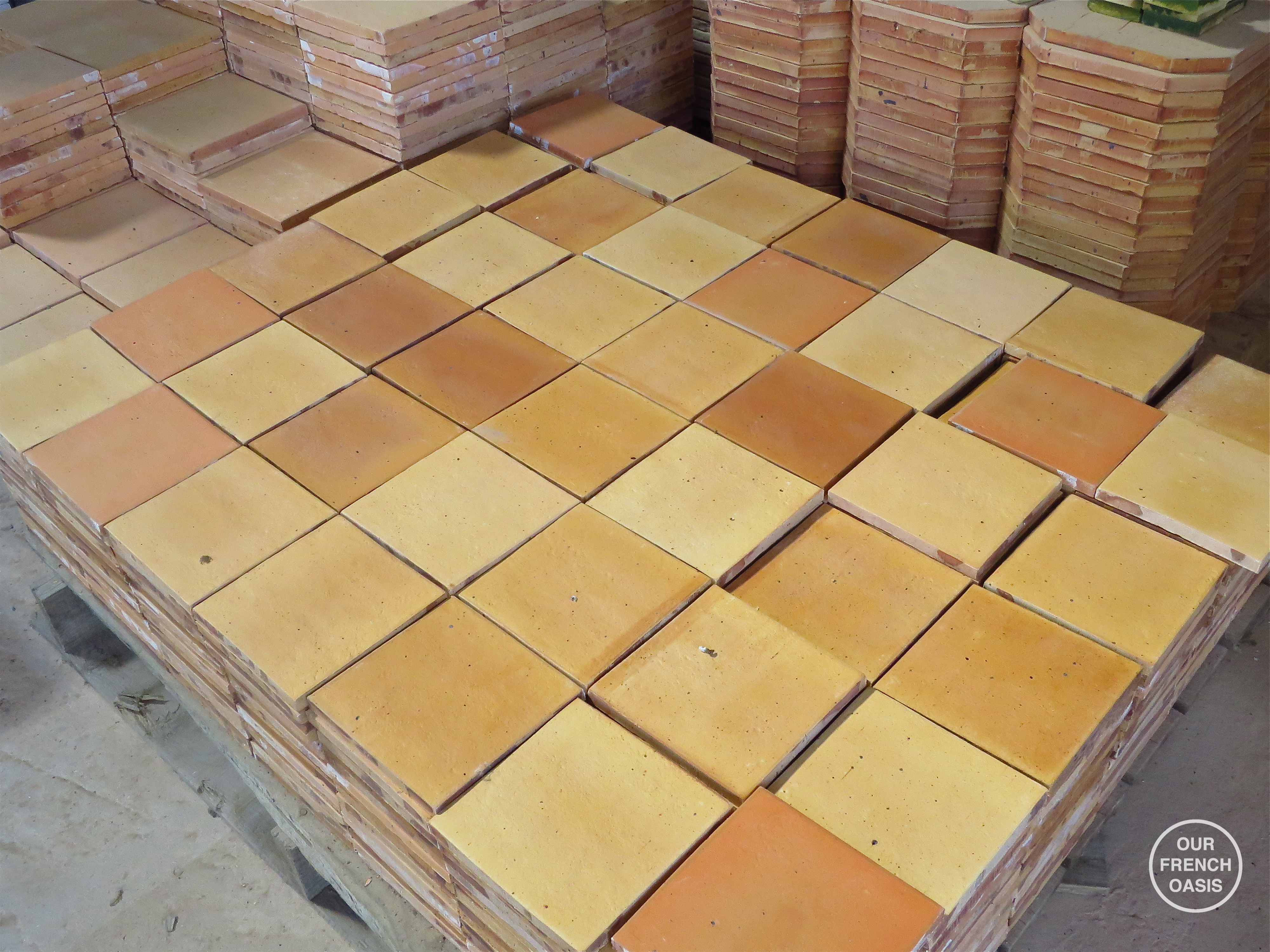
Underneath a set of wooden trusses that date back to the 14th century, Terres Cuites is a business of clay, water, fire and oxygen. It produces tiles for both roofs and floors, for walls and decorations, and it was the tiled floor in our own house that started me off in search of their origin. I had wondered where the tiles had come from, with their rich ranges of colours and their obvious individuality. They looked old, and completely in character with our building, and when I saw the same tiles in Monsieur David’s boulangerie, my question was answered with a shoulder that pointed over the hill and a knowing smile. “Les Terres Cuites,” he said,  I knew instantly where he meant, I had passed the sign many times and so I set off to investigate further.

IMG_3517


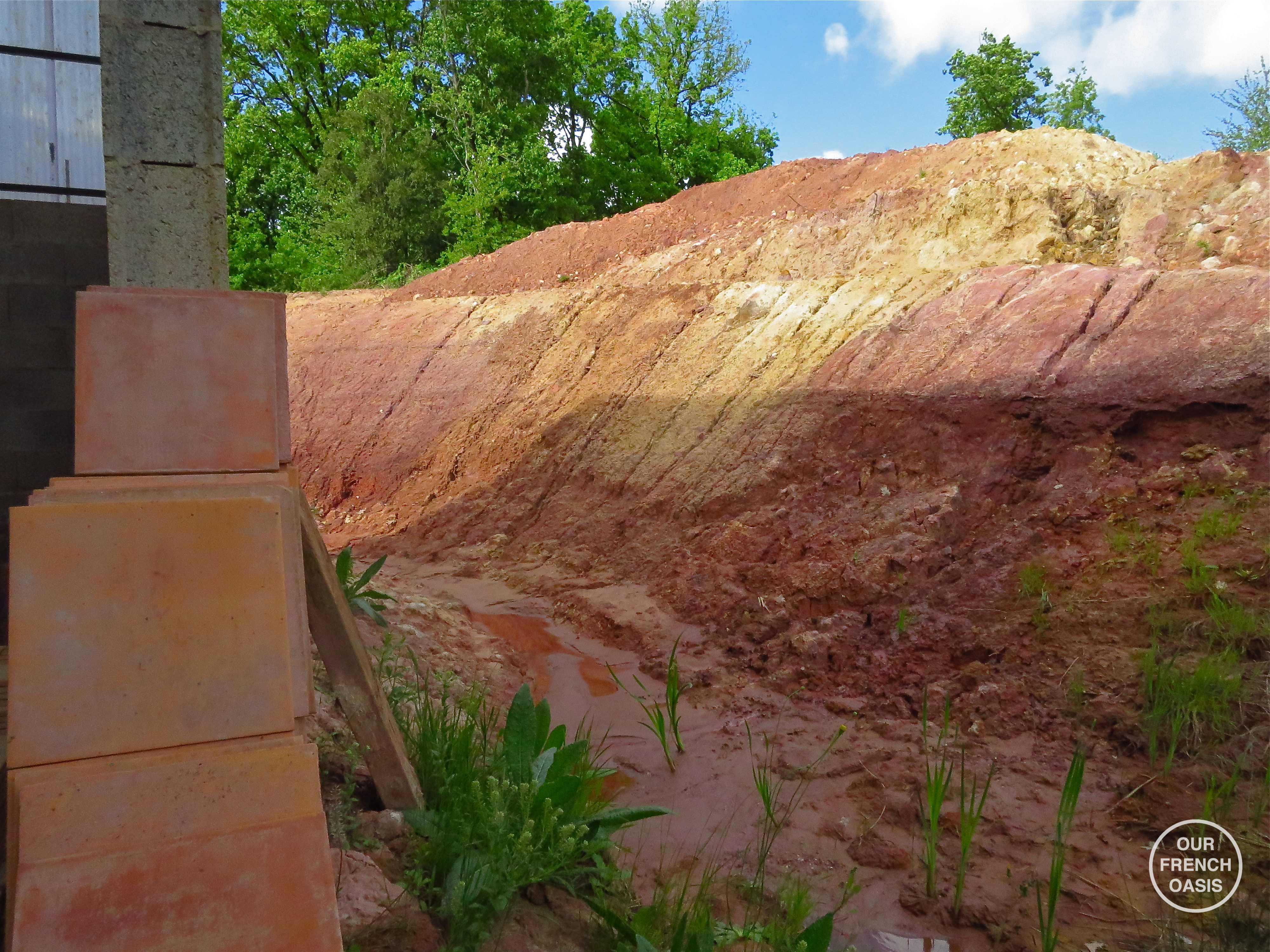
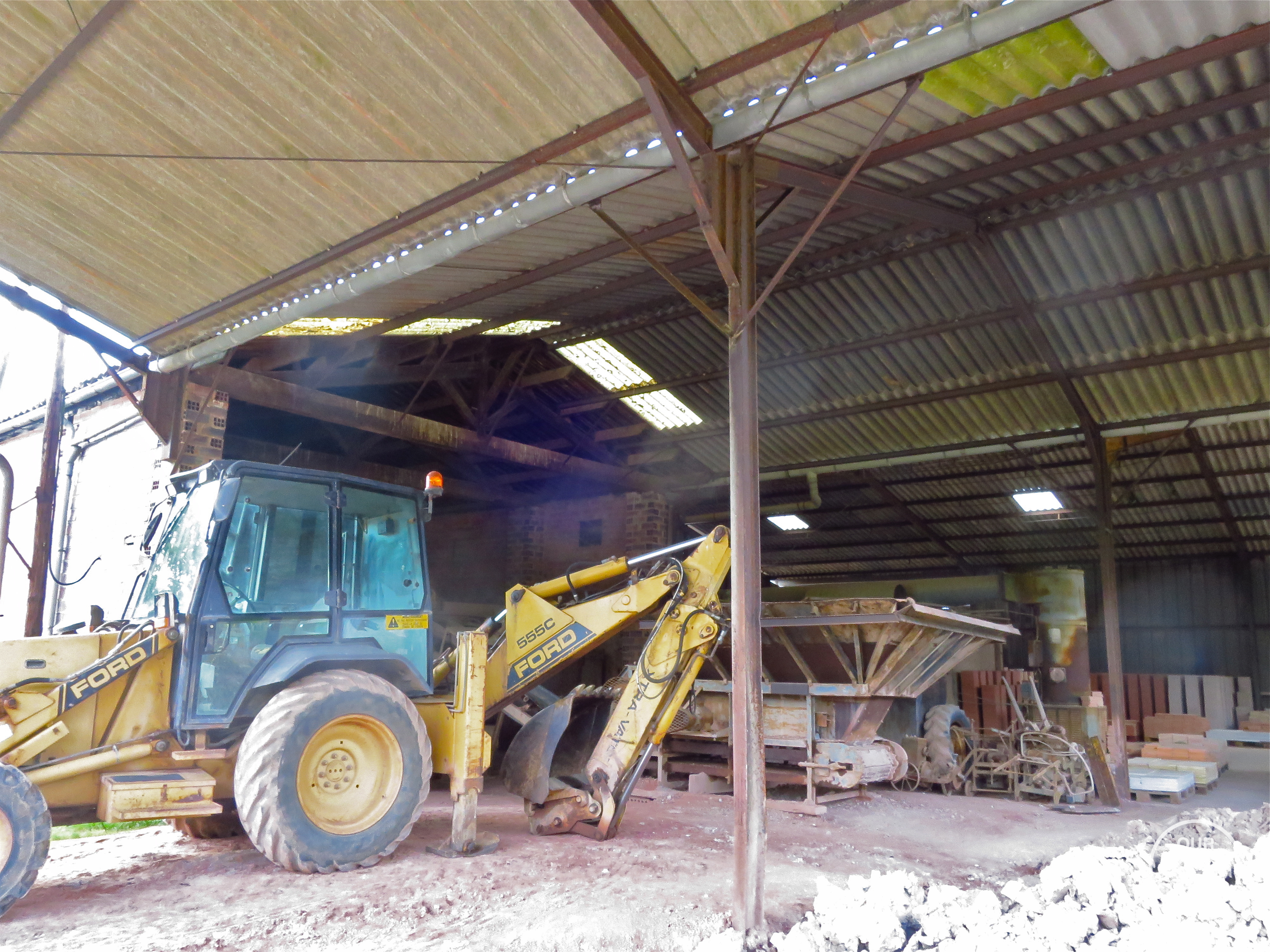
“Il y’a beaucoup de vipères,” Monsieur Pauzat warned us, as we set off to climb a clay mound for a photo of his family’s enterprise. “Faites-attention !…..” and he pointed at the kites circling overhead. “….that’s what they feed on!” and we did indeed pay attention for snakes as the clay quivered beneath our feet. I was standing in a lie of land perhaps a thousand yards long, and 300 yards wide, a lie shaped by the hand of man over many centuries as clay was manhandled from its bed and slid on sledges into the gaping maw of the mixer, there to be molded with water, cut and dried for a month, and then baked in the heart of a furnace at 1200˚C; in ancient times fuelled by the faggots of local forests and the charcoal of the seasonal charcoal burner.  We had learnt all this over the course of an hour’s conversation, offered by Monsieur Pauzat without question and with a smile, and completed with an invitation to take photos. It was breathtaking to think of the antiquity of such an incongruous business, settled into the landscape without preamble or fanfare, but with a story stretching back to the 10th century, to a time when our village had no church and the tiles from the furnace went to the fortified chateau and the hostelry on the main road. The three current furnaces of the business are still old, and each consume 200 square metres of tiles at a sitting, tickling at a constant 1170˚C thanks to modern thermostats, and consuming €900 worth of gas at a time.  Monsieur Pauzat had filled my head with facts, even though he and his family had only been running the business for three generations.

IMG_3478

We learnt winter is cold, a time to stockpile, tidy, repair, and fire some tiles in warm weather. The spring is a time to fire many more, as the temperature rises and humidity stays low – this is the busiest time of the year, sliding slowly into summer as the stockpile dwindles during the house-building season and supplies are replenished when the weather is not too warm nor humid. Autumn the furnaces burn again, tiles churned forth to be stacked against the winter cold.

IMG_3465

IMG_3484

We were amazed at the amount of tiles in stock, but were quickly told that there were actually very few compared to normal. We learnt the simplicity of the process of making tiles, and then became confused by the hundreds of complexities that are also needed to be taken care of. Two colours of clay in the quarry, white and a red, and a combination of burnt oxygen and heat combined meant a great range of colours could be produced, from white to purple with all the shades of sunset and sunrise in-between. It bemused me that so much clay could be consumed over so many years and yet so much could still remain. We were told that hidden among the trees along the escarpment overlooking the marais were other chimneys of long forgotten furnaces, and that the tiles from the hills had been used far and wide across France, known particularly for their durability, thanks to the ferruginous qualities of the clay – it contains iron oxide which hardens when fired. The oldest tiles that are known from the quarry date to the 11th century and exist in the old Priory in the village. Tiles used in the fortified chateau go back to the 12th century. Most of the Napoleonic forts in the region and many of the important civil buildings, all have our local tiles on their floors and walls.

IMG_3492

IMG_3485


We were led deep into the premises, and gazed awestruck at the number of drying racks, the mounds of completed tiles, and the size of the furnaces. A carriage stood ready to be fired the next day, the furnace open to receive its cargo, its door and interior blistered and burnt by years of fiery hell. At the heart of the building, under a more modern sheet-steel roof, stood the wooden frame of an original building, quietly standing with dignity some 700 years after being erected; it was tantamount proof to the passage of worms and beetles, its scarred surface a testament to the enduring adaptability of man and his work.
IMG_3501

IMG_3462

IMG_3475

With a fond adieu to Monsieur Pauzat and his 85-year old father, down for an afternoon check on his son’s work, we headed back to our own tiles, wondering at the tenacity of a skill and its determination to survive in the face of modern processes and cheap foreign imports. I had earlier asked, innocently, why people would care to buy something of lesser quality from a shop for the same price as a hand-made, valley-fired tile, and Monsieur Pauzat had shrugged. “Why ?” he had queried with a gallic shrug. “Perhaps it is because we are too busy to sell when we are so busy making,” he said, “and after all, people come here as they have done for hundreds of years, and most likely will do for hundreds more.” We looked at the kites, circling overhead with their beady eyes open for prey, and saw a continuance that could not be shrugged off by mere modern smart businessmen. We could find no argument with his reasoning.  The talk of tiles, the quarry and how they are made continued through supper, they had made a lasting impression.
IMG_3819

AllAboutFranceBadge

TO MARKET, TO MARKET…

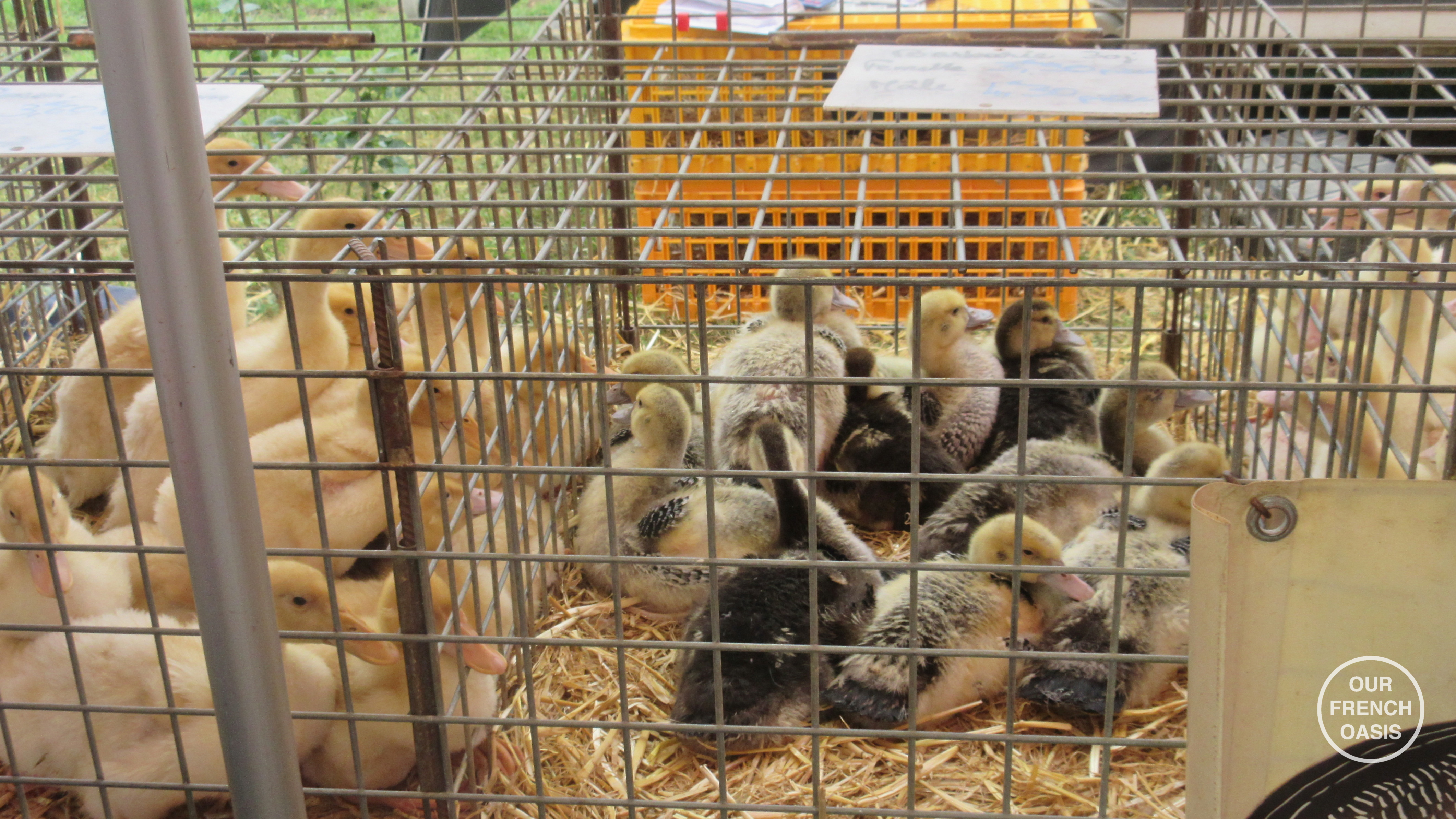
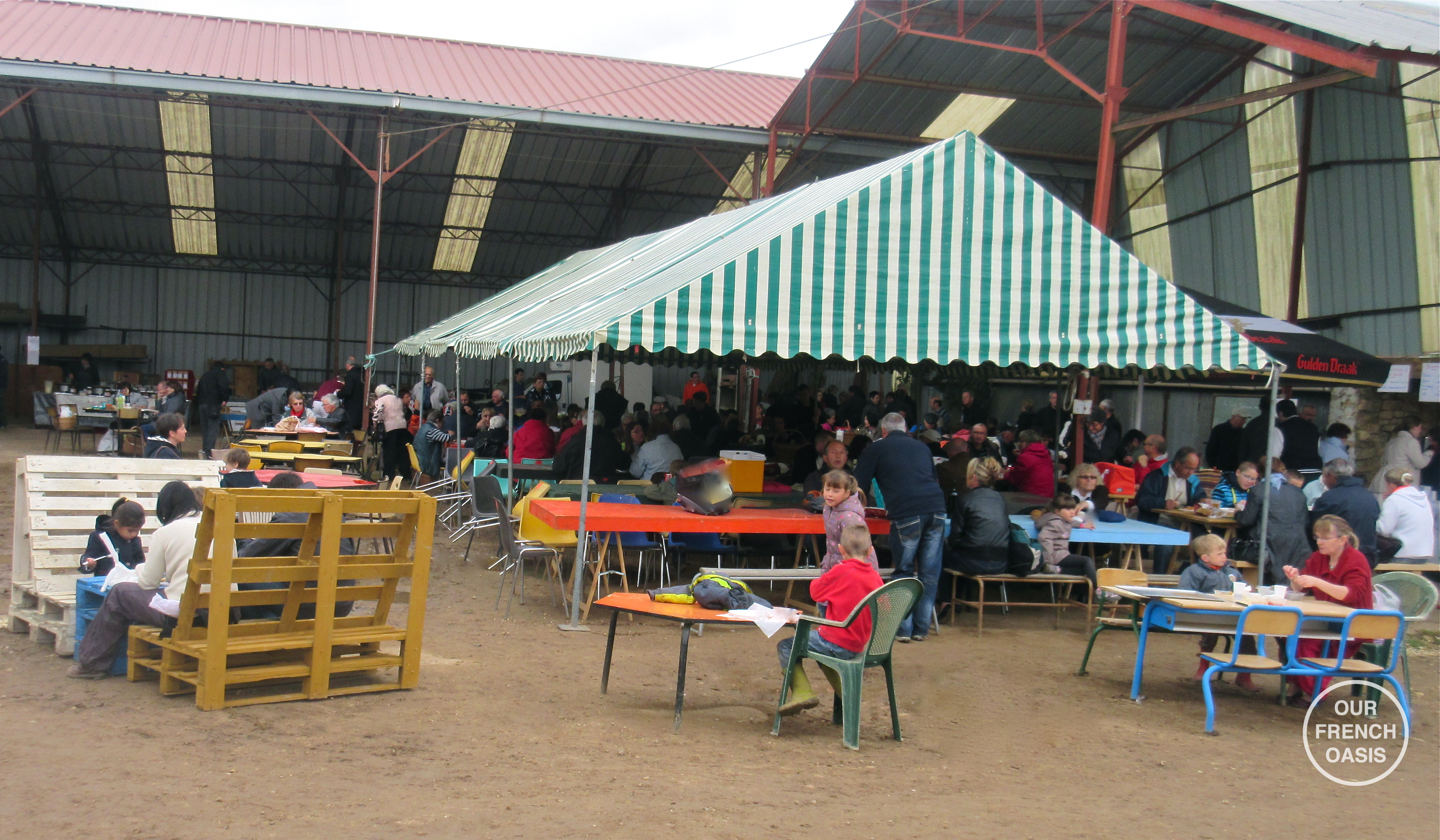
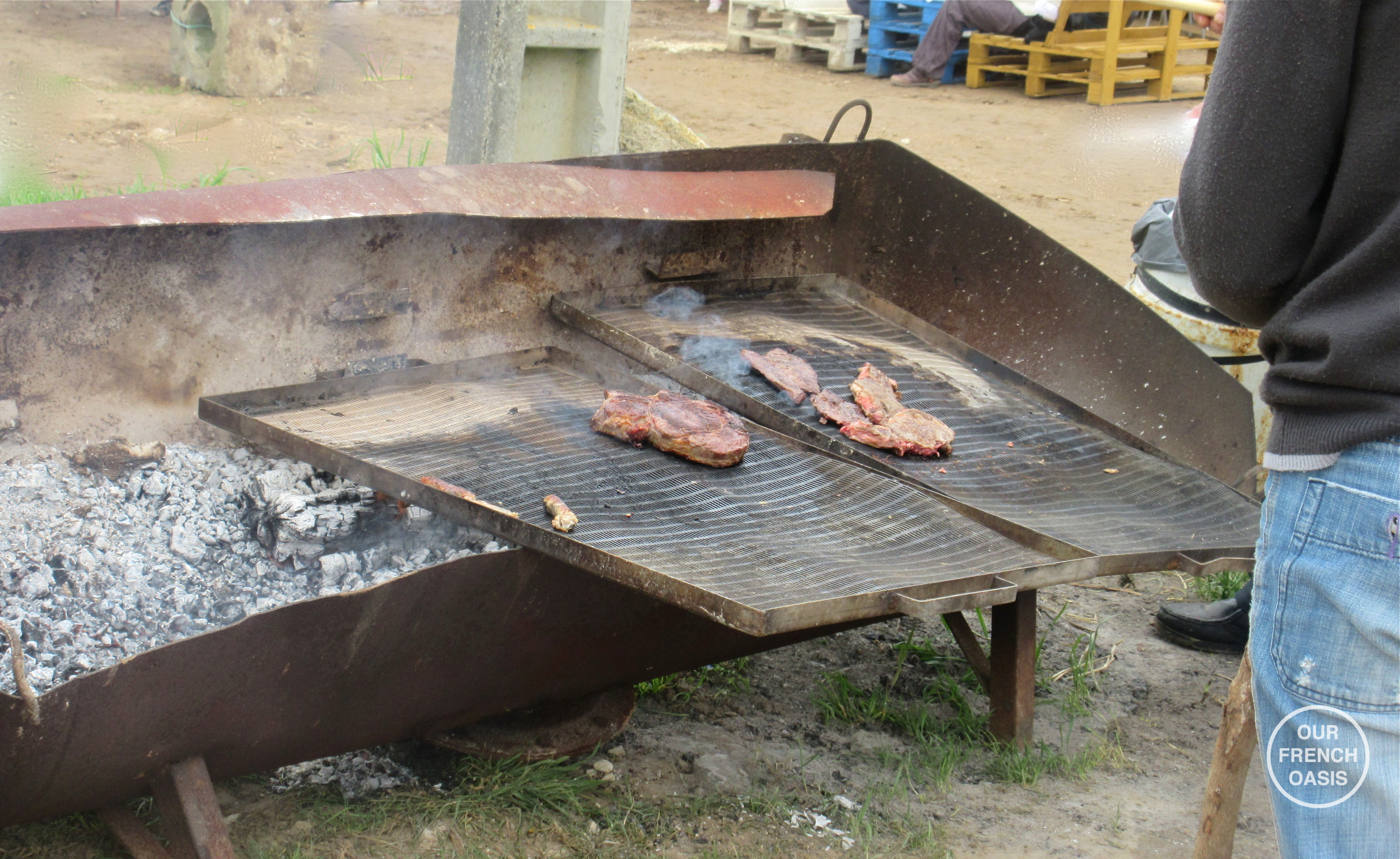
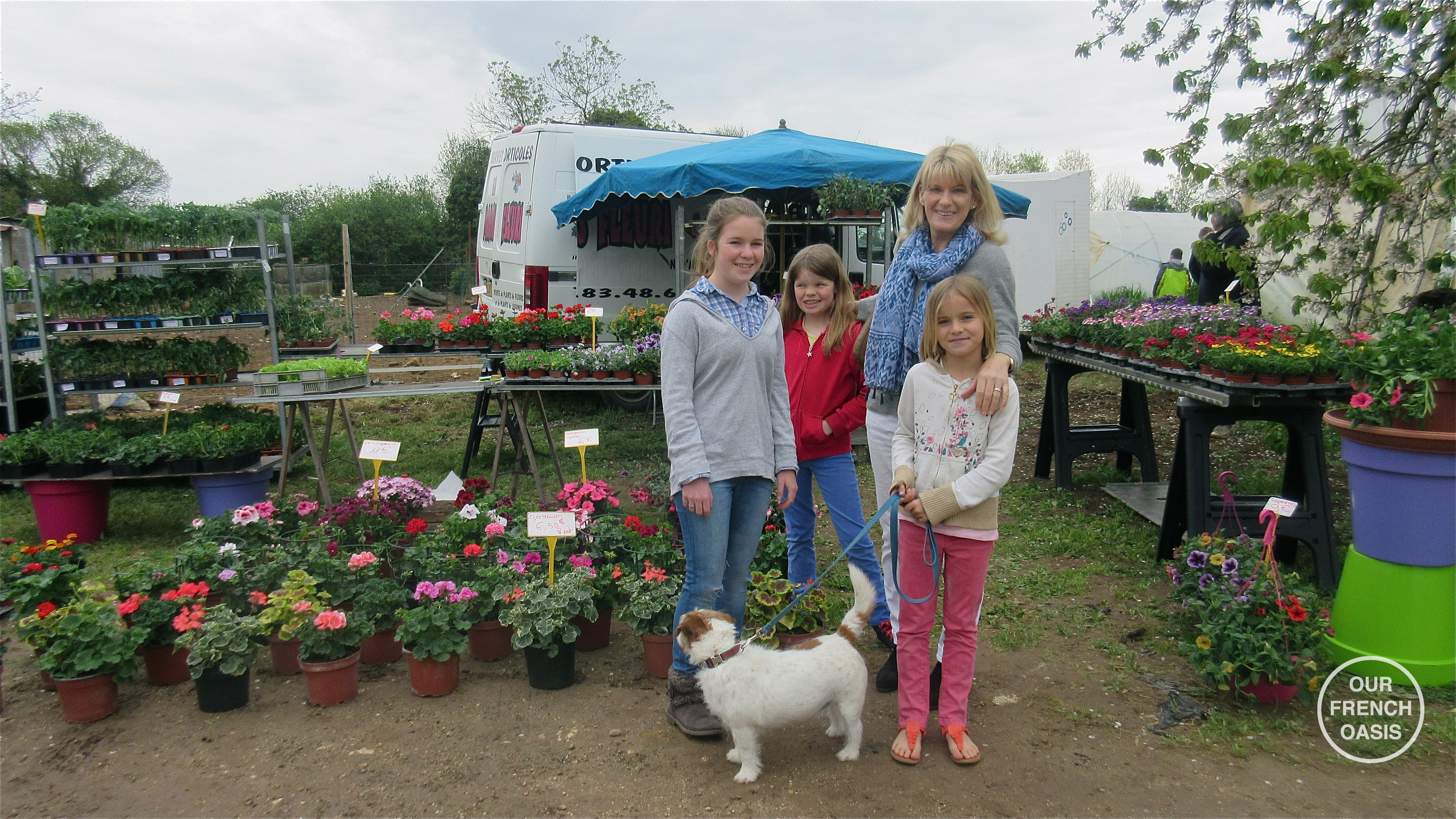
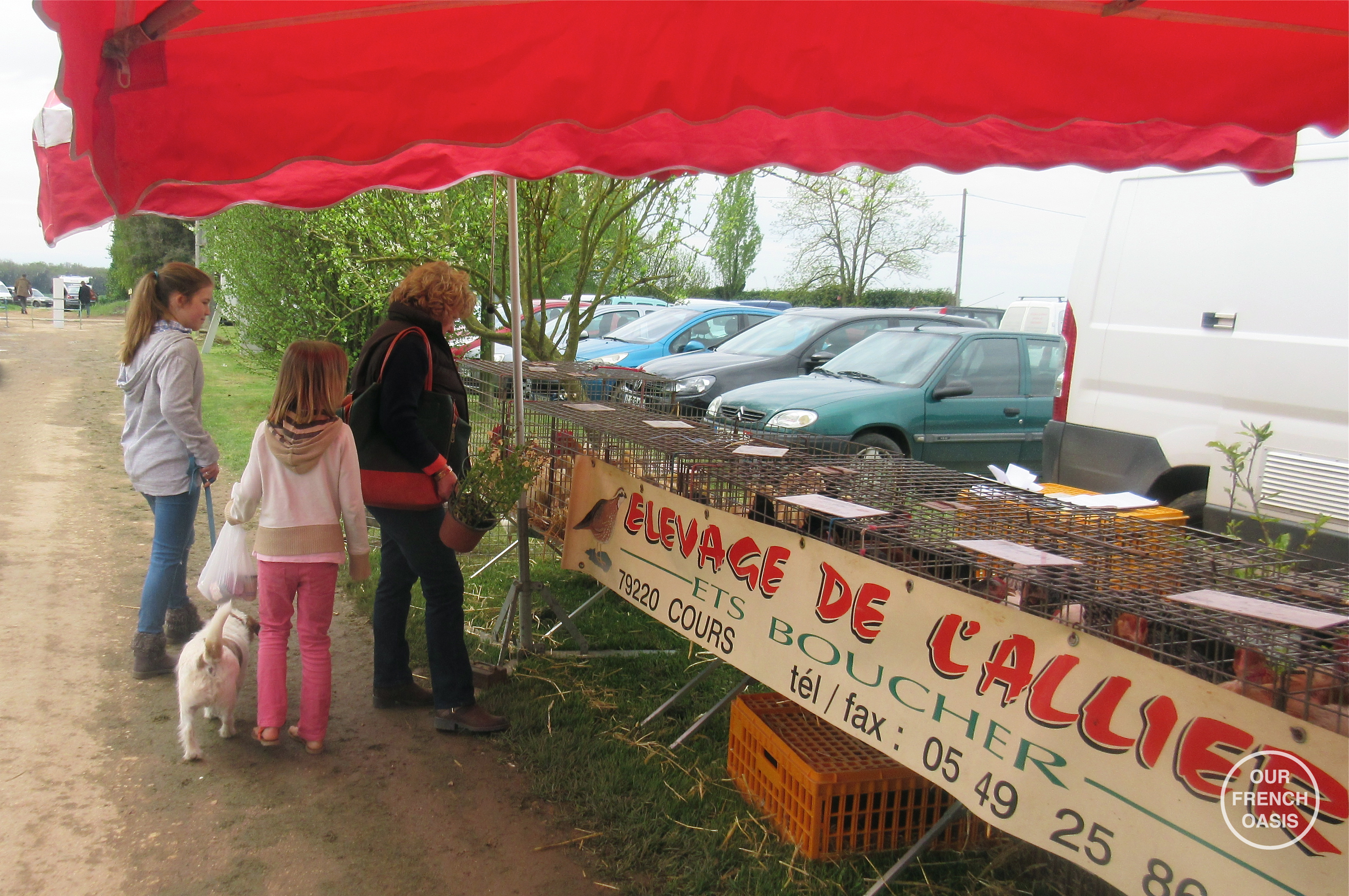
“To market, to market, to buy a fat pig, home again, home again, jiggety-jig” –  remember that old nursery rhyme?  It sprung to mind as the children and I headed off to a nearby farmers market last Sunday.  The girls were drawn like magnets to the baby chicks, the ducklings and rabbits; little did they know they were intended for the pot rather than as pets. I didn’t see any pigs for sale but I am sure, had I made enquiries, I could have bought one, but I really don’t want a pig! IMG_2556 This was a far cry from the usual weekly market where we buy our fresh fish, fruit, vegetables and cheese – the typical French market where the locals buy so much of their food every day.  No, this was, as the name suggests, a real ‘Farmers’ market, in every sense of the word. IMG_2573 The morning was neither sunny nor particularly warm but that had not deterred most of the locals who came from miles around.  A huge undercover area had been set up for lunch.  Two young lads were grilling vast slabs of meat on the barbecue and the tables were quickly filling up as lunchtime approached. IMG_2563 IMG_2562 We started at the plant stand where I bought lots of small geraniums for the garden before quickly moving on to local honey.  We were offered so many different varieties to taste – sunflower honey, wild-flower honey, honey of the forest; nothing is ever hurried, everything is considered and discussed before a decision is made and there is no pressure to buy which in a strange way makes me buy more!  Local organic strawberries were our next purchase, along with spring onions and asparagus; I was definitely getting hungry!  We passed on the cognac tasting (the girls are a little young!) but there were plenty of people sampling, drinking and buying; chatting and telling stories, it was all so convivial.IMG_2558 We had arranged to meet our good friends, Penny and Adrian, here at the market and they were quite adamant that we really needed a pair of ducks to add to our menagerie at home.  I couldn’t even imagine going home and telling Roddy that we had come back with two more feathered friends, but they just laughed and Adrian said he knew a good lawyer!  And so before I knew quite what was happening, two ducklings, not more than a few weeks old, were chosen and put into a cardboard box as a very belated house-warming present!

IMG_2574

Back home and the sun decided to make it’s first appearance of the day –  lunch on the terrace and a bottle of bubbly,  if we needed an excuse then it had to be celebrating that Roddy loved the ducklings and the divorce lawyer was not needed!  Adrian and Millie set about making a temporary outdoor run for our new acquisitions, complete with an old borrowed paddling-pool from our lovely neighbour.  The ducklings are still too young to roam free (which is the long term plan, of course) but for the time-being  I wouldn’t trust our dear nearly fully-grown kittens, Rory and Clara, until the birds are much bigger.  Surprisingly Clara, who is a real hunter, has no interest in them, but Rory is intrigued.  I don’t think he wants to hurt them, he just wants to play, but to him playing is all about teeth and claws; this is a great game with Bentley, but I’m not so sure it would be so good with two young ducklings, so we’re taking no chances.

So without further ado let me introduce you to the latest members of our family who Penny and Adrian baptized after themselves –  I give you Penny and Adrian!

p.s. do make sure you have your volume turned up, the sound of them drinking is adorable!

If I was to tell you that they are even worse for wasting time, would you believe me ?

Animal Tales Badge Final

LA ROCHELLE

IMG_3268

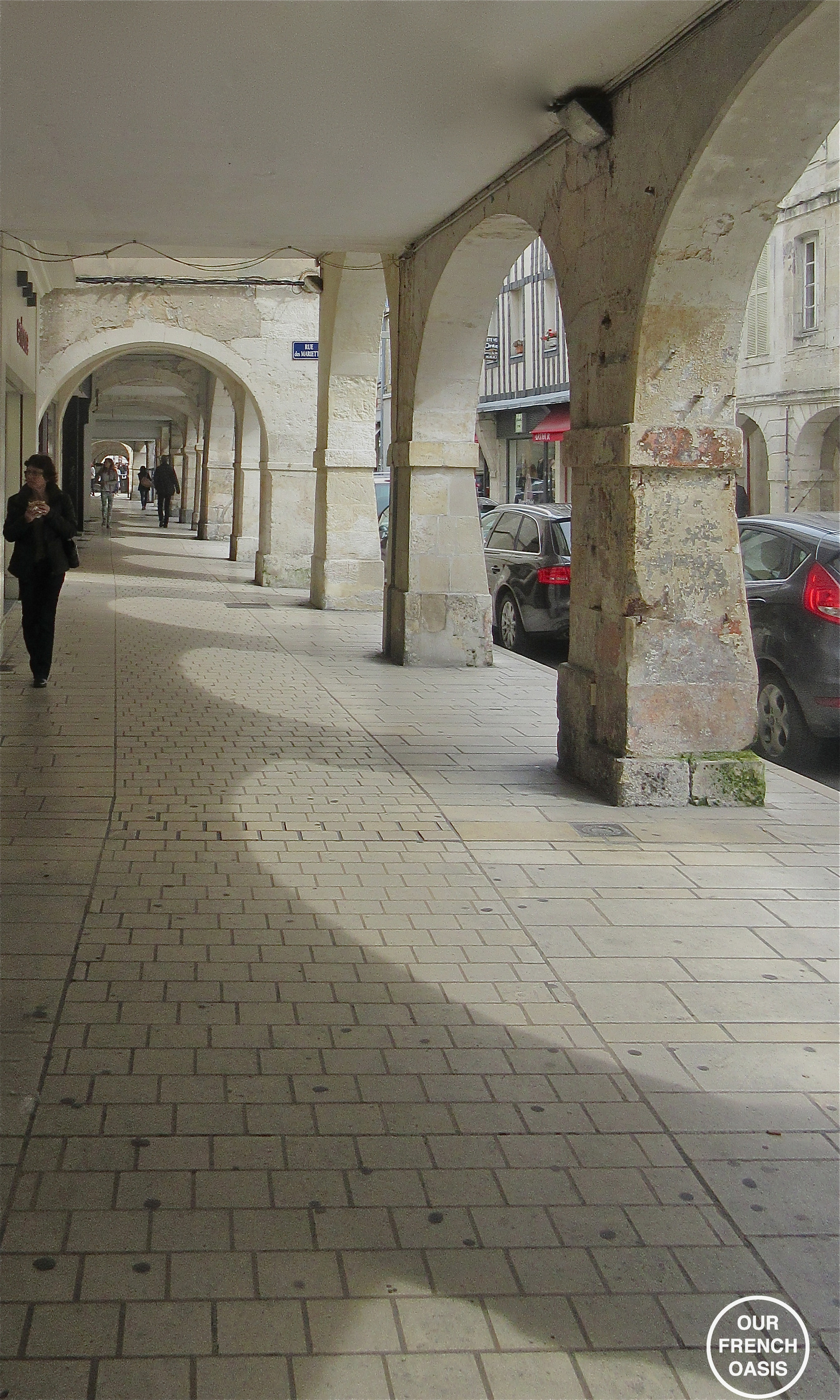
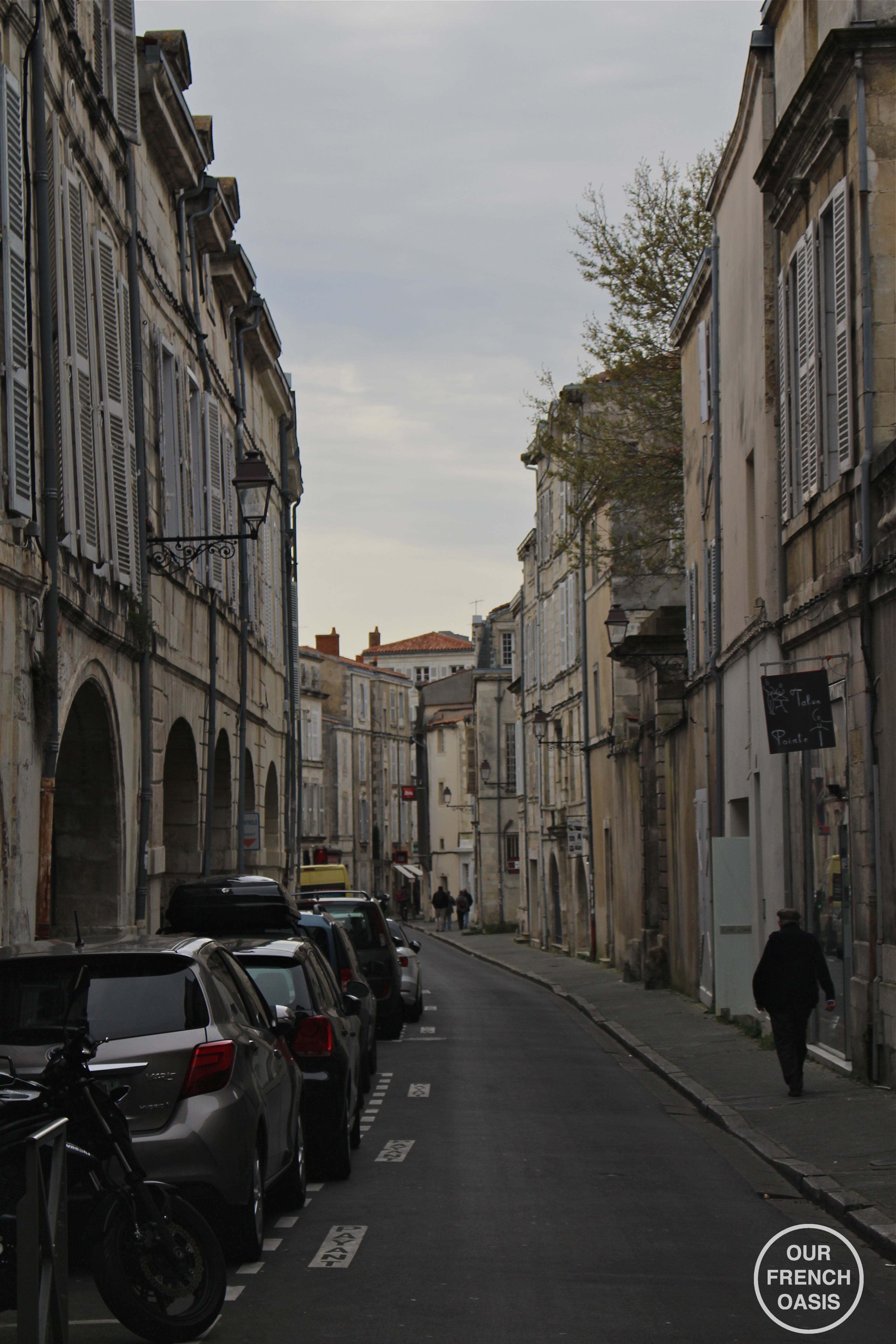
It’s a known fact that when the French are unhappy about something they go on strike.  This week the French Air Traffic Controllers were on strike for two days and as a result Izzi’s flight back to the UK was cancelled, the positive side to this is she gets to stay with us a few more days until Sunday, so I for one am definitely not complaining!  It gave us a chance to spend a wonderful morning together in La Rochelle.  We lacked the sunshine of the past few days but it was still warm enough.  We shopped a little and walked and walked – snapping photographs as we went, nothing posed, nothing edited, just a view of La Rochelle as it is, of people going about their business, of daily life in this beautiful city…

IMG_3309

IMG_2255

La Rochelle is the capital of the Charente Maritime department and is just half an hour north of us, it sits on the Atlantic coast with a year round population of approximately 77,000 people which swells quite considerably in the summer months.

IMG_2257

IMG_2260

The city was founded during the 10th century and became an important harbour in the 12th century.

IMG_2293

It has beautifully maintained its past architecture, making it one of the most picturesque and historically rich cities on the Atlantic coast, indeed many people believe it to be one of the prettiest cities in France.

IMG_2290

IMG_3275

This apartment is for sale, anyone fancy city living?

IMG_3306

La Rochelle’s main feature is the “Vieux Port” (“Old Harbour”), which is at the heart of the city, picturesque and lined with bars, cafes and seafood restaurants.  The perfect place for a cup of coffee and to watch the world go by.

Have a wonderful weekend everybody.

IMG_2297 IMG_3328